

 By
By The World Health Organization has channeled more than $14.4 million to nearly 246,000 health workers in Mozambique through a mobile money payment system since 2024, the U.N. agency said in a statement
The Mobile Money (MOMO) digital payment system is used to pay vaccinators, supervisors, community mobilizers and other staff involved in public health campaigns and emergency response efforts.
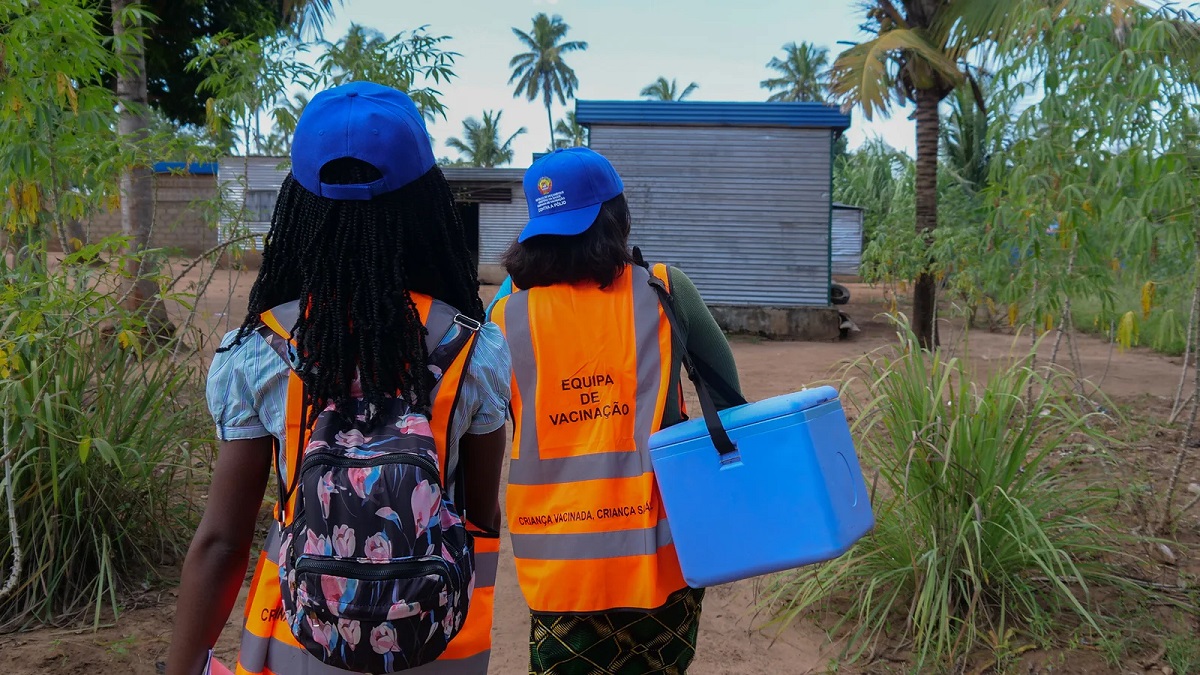
During the second round of Mozambique’s national polio vaccination campaign in June, thousands of workers in the provinces covered by the drive received payments through the platform instead of cash.
Mozambique was among three African countries that began implementing WHO’s mobile-money payment system in 2024, alongside Benin and Guinea, as the agency sought to improve the way frontline workers are compensated during polio vaccination campaigns.
The organization said the switch from cash to mobile money transfers has made payments faster, safer and more transparent, while cutting down on the logistical burden of moving and distributing physical cash during large campaigns.
WHO data showed that in 2024, the system had a database of 118,832 health workers in Mozambique and made payments to 78,367 beneficiaries across four provinces.
The payments totalled about $2.83 million, according to WHO’s report on its financial operations.
At the center of the system are “MOMO focal points,” staff based at individual health centers who register colleagues on the digital platform, monitor their attendance and verify payment details.
Manansses Rosário, 30, a MOMO focal point at the Luia Health Centre in Chifunde district, said the platform was simple to operate on her Android phone with support from a regional trainer.
“This is my second polio vaccination campaign as a MOMO focal point, and it has been very straightforward to carry out this role,” Rosário said.
“The platform is easy to use and, immediately after the training, I was able to register my colleagues and monitor their attendance without any difficulty.”
Gwinyayi Chikonzo, WHO’s acting operations officer in Mozambique, said the shift to digital payments had strengthened accountability in the health campaigns.
“The digitization of payments represents a significant step forward in the way we support health campaigns,” Chikonzo said. “We are making processes more efficient, more transparent and more inclusive, whilst significantly strengthening accountability and ensuring a complete digital record of all transactions.”
WHO said the electronic system also benefits donors and partners funding its health work in Mozambique by improving the traceability of resources and strengthening monitoring of how funds are used.
Mozambique, a country of about 34 million people on Africa’s southeastern coast, has faced repeated public health emergencies in recent years, including cholera outbreaks and a polio resurgence, alongside challenges from cyclones and other natural disasters that complicate logistics in remote areas.
Cash payments can involve delays, security risks and high administrative costs, particularly when large sums must be transported to remote areas.
WHO said its move toward mobile money was partly driven by the need to reduce those risks and improve accountability in health campaigns.
The agency began using mobile money for polio campaigns in Africa in 2020. By 2024, WHO said more than 1.8 million frontline workers in 22 African countries had received digital payments, with 95% of workers paid within 10 days of completing vaccination campaigns.
WHO said it plans to continue expanding the use of mobile money to other health activities in the country.
Mobile money services, which allow users to send, receive and store funds via basic or smartphones without a traditional bank account, have expanded rapidly across sub-Saharan Africa over the past decade, particularly in areas with limited banking infrastructure.
