
Rwanda’s Ministry of Finance and Economic Planning said it has closed a dual-currency loan facility worth 82 million euros ($95 million) and 15 billion yen ($102 million), marking the country’s first-ever yen-denominated debt issuance.
The dual-tranche commercial loan facility carries a 15-year maturity and a six-year grace period, the ministry said in a statement. It called the deal part of a broader strategy to diversify Rwanda’s funding sources and access international capital on competitive terms.
The transaction is backed by the World Bank Group Guarantee Platform, housed at the Multilateral Investment Guarantee Agency (MIGA), combining an International Development Association Policy-Based Guarantee as first-loss coverage with a MIGA Non-Honouring of a Sovereign Financial Obligation policy as second-loss cover, according to the ministry.
The yen tranche gives Rwanda, rated B+/B2/B+, its first direct engagement with Japanese-denominated capital and investors in Asia, the ministry said.
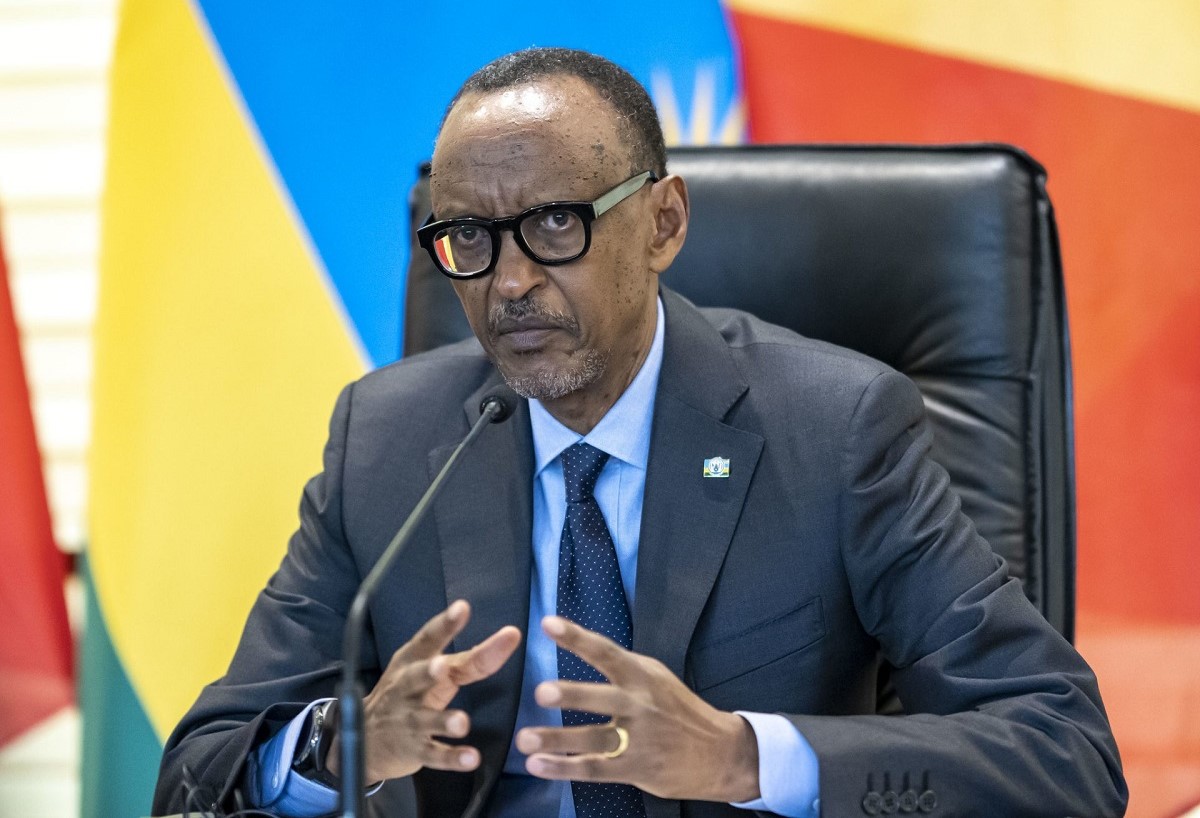
“This second PBG+ transaction demonstrates Rwanda’s unwavering commitment to innovative, best-practice funding solutions, as we proactively diversify our borrowing sources while maintaining prudent debt management,” Finance Minister Yusuf Murangwa said in the statement.
Murangwa said the yen tranche marks the country’s entry into a new pool of capital that it intends to build on, calling blended semi-concessional finance, structured through its partnership with the World Bank Group, the hallmark of Rwanda’s borrowing strategy.
The loan facility extends a series of blended-finance transactions Rwanda has completed in recent years. Earlier this year, the country closed a 213 million euro Policy Based Guarantee loan facility, the ministry said. In 2024, it completed its inaugural blended finance transaction, a 200 million euro ESG loan backed by a partial credit guarantee from the African Development Fund.
The ministry said the latest facility deepens Rwanda’s engagement with a wider range of multilateral guarantee providers by extending the model used in its first Policy Based Guarantee transaction.
Rwanda structured the six-year grace period so that principal repayments begin only after the country’s outstanding Eurobond matures, the ministry said, a design intended to avoid a refinancing wall. The 15-year tenor further smooths debt service obligations, it added.
The ministry said the combination of the grace period, tenor and pricing reflects the government’s commitment to preserving both debt and fiscal sustainability.
Proceeds from the facility will be applied to general budgetary purposes in line with the World Bank’s Rwanda Inclusive and Resilient Job Creation Development Policy Financing Operation, the ministry said.
It added that the transaction supports reform policies and investments in infrastructure, health and nutrition, education, agriculture, social protection and industry development.
The ministry described the pricing on the facility as record-low, though it did not disclose specific interest rate terms in the statement.
The ministry said the transaction closed against a backdrop of continuing emerging market credit volatility driven by heightened geopolitical tensions. It said Rwanda’s ability to secure favorable terms in that environment underscores strong investor confidence in its credit fundamentals and fiscal trajectory.
The closing follows recent ratings developments for Rwanda. Moody’s revised the country’s outlook to stable from negative on September 19, 2025, the ministry said, while Fitch made a similar revision on March 13, 2026. The ministry said both changes reflected improving fiscal metrics and continued structural reform implementation.
Murangwa credited Societe Generale and Standard Chartered Bank as lending partners on the transaction, along with Alvarez & Marsal and White & Case, which he said provided advice throughout the process, according to the ministry’s statement.
The World Bank Group Guarantee Platform, used in the latest transaction, is designed to mobilize private capital for developing countries by reducing the credit risk borne by commercial lenders.
The government’s use of a yen-denominated tranche follows a broader trend among some sovereign borrowers seeking to tap Japanese investors, who have historically offered lower borrowing costs due to low domestic interest rates in Japan, though currency hedging costs can offset some of that advantage.
Rwanda’s economy has drawn attention from multilateral lenders and investors for its debt management practices even as many low-income and emerging market countries have faced rising borrowing costs and, in some cases, debt distress in recent years.
The ministry said Tuesday’s closing reflects the government’s readiness for deeper engagement with multilateral guarantee providers as it continues to pursue a lower cost of debt, a smoother repayment profile and enhanced access to stable long-term funding sources.

Indumwa
Investreet Financial publishes financial education, market insights and practical resources to help readers make more informed financial decisions.