
 By
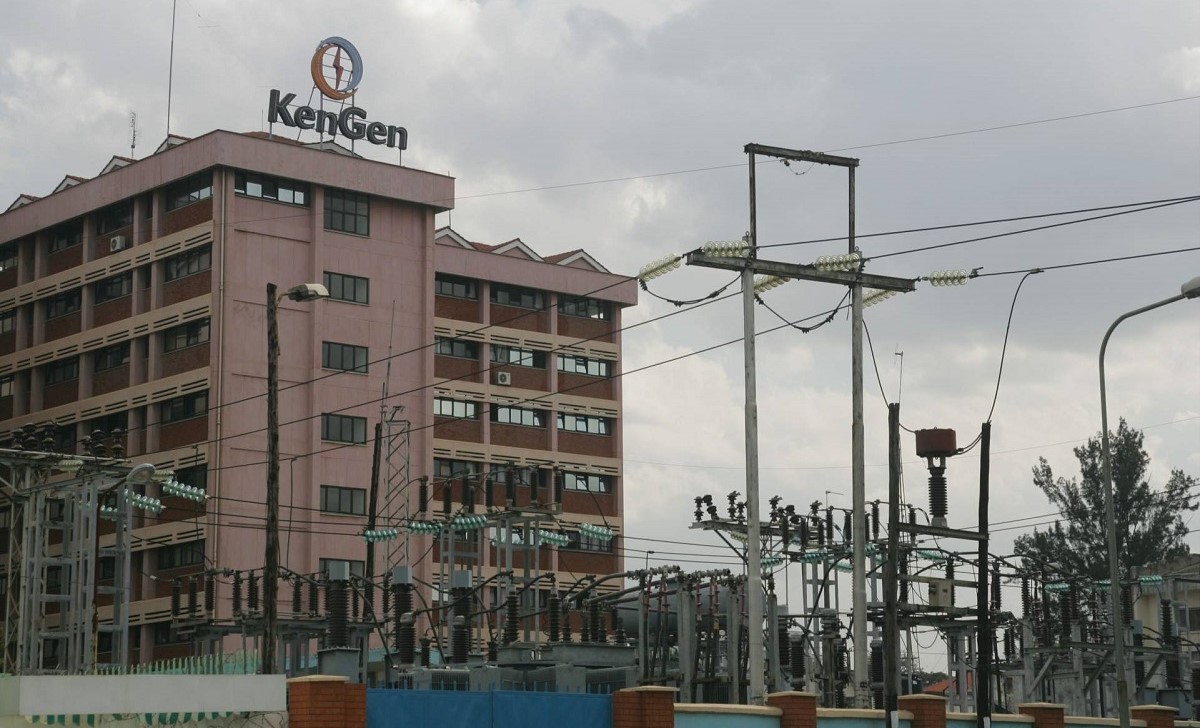
By Kenya Electricity Generating Company (KenGen) reported higher revenue but lower net profit for the year ended June 30, 2026, while proposing a reduced final dividend of 75 cents per share, its KenGen FY 2026 results showed.
Revenue rose 6.4% to 59.7 billion shillings from 56.1 billion shillings a year earlier, while profit after tax fell 1.2% to about 10.35 billion shillings, according to the company’s results statement issued on Sept. 4.
The results showed operating profit increased 4.1% to 14.2 billion shillings, supported by higher electricity generation and growth in the company’s diversified portfolio.
KenGen, the country’s largest electricity generator, supplied 8,975 gigawatt-hours (GWh) of electricity during the year, up 5.8% from the previous period. The company said more than 90% of electricity dispatched to the national grid came from renewable sources.
Operating expenses increased 6.8% to 37.5 billion shillings, compared with 35.1 billion shillings in the previous year. The increase partly offset the growth in revenue and contributed to the weaker bottom-line performance.
Profit before tax declined 2.7% to 15.1 billion shillings, while earnings per share fell to 1.57 shillings from 1.59 shillings.
KenGen’s board recommended a first and final dividend of 0.75 shillings per ordinary share for the financial year, down from 0.90 shillings paid for the previous year.
The proposed payout is subject to shareholder approval at the company’s annual general meeting, scheduled for Oct. 29, 2026.
If approved, the dividend will be payable on or around Jan. 21, 2027, to shareholders whose names appear on the company’s register at the close of business on Oct. 29, according to the results statement.
The reduction comes after KenGen increased its dividend to 0.90 shillings for the previous financial year following a 54% rise in profit after tax.
The KenGen FY 2026 results showed pressure from lower finance income.
Finance income fell 30.4% to about 2.86 billion shillings, from 4.11 billion shillings a year earlier. Finance costs, however, declined 12.1% to about 1.98 billion shillings, compared with 2.25 billion shillings previously.
The company attributed the reduction in finance costs to continued debt repayments and lower borrowing costs.
KenGen’s balance sheet remained relatively strong. Total assets stood at about 500.1 billion shillings at June 30, compared with 505.6 billion shillings a year earlier, while total equity increased to about 290.1 billion shillings from 284.5 billion shillings.
Borrowings declined to about 97.1 billion shillings from 107.3 billion shillings.
The company ended the year with cash and cash equivalents of about 26.7 billion shillings, down from 30.1 billion shillings a year earlier.
Net cash generated from operating activities fell to 30.8 billion shillings from 39.6 billion shillings. Cash used in investing activities increased to 19.9 billion shillings from 17.0 billion shillings, reflecting continued investment in the company’s generation portfolio.
KenGen said its operating environment remained affected by geopolitical tensions and disruptions in global energy markets, while Kenya’s economy continued to expand.
Real gross domestic product grew 5.3% in the first quarter of 2026, according to the company’s statement.
Electricity demand also increased during the period. Kenya’s national peak demand reached 2,514 megawatts on June 29, compared with 2,316 MW in February, according to the company.
KenGen said it was continuing to invest in renewable, affordable and sustainable power generation as electricity demand rises.
The company supplied 8,975 GWh to the national grid during the year, representing about 57% of national electricity demand, according to its results statement.
KenGen’s future investment programme includes the 63 MW Olkaria I Rehabilitation Project, the 42.5 MW Seven Forks Solar Project, the 80 MW Olkaria VII project and additional geothermal and hydropower developments.
The company also said it was expanding its portfolio beyond electricity generation through consultancy, geothermal development and other commercial opportunities.
KenGen’s Green Energy Park at the Special Economic Zone and Customs Controlled Area is among the initiatives intended to attract green industrial investment, the company said.
The power producer said it would continue to focus on geothermal, hydro, wind, solar and battery energy storage projects as part of its longer-term strategy.
The company said it remained focused on expanding generation capacity, strengthening financial sustainability, diversifying revenue streams and creating value for shareholders and other stakeholders.
The proposed dividend will be considered alongside the company’s financial performance and investment requirements when shareholders meet in October.
KenGen’s previous full-year results showed profit after tax of 10.48 billion shillings for the year ended June 30, 2025, up 54% from 6.80 billion shillings in 2024.
The company’s latest results therefore mark a different earnings trajectory, with revenue and operating profit increasing while net profit and the proposed shareholder payout declined.
KenGen maintains investor-relations information and financial reports on its website.