

 By
Standard Chartered Bank Kenya raised its interim dividend to 8.50 shillings per share for the first half of 2026, even as net profit fell 16.8% to 6.7 billion shillings ($52 million), the lender said in half-year results.
The bank, a subsidiary of London-based Standard Chartered Plc and listed on the Nairobi Securities Exchange under the ticker SCBK, reported net profit of 6.7 billion shillings for the six months to June 2026, down from 8 billion shillings a year earlier.
Despite the decline, the board approved an interim dividend of 8.50 shillings per share, up from 8 shillings paid in the same period last year.
The higher payout comes even as earnings weakened, extending Standard Chartered Bank Kenya’s long-standing practice of maintaining or increasing shareholder returns during periods of softer profitability.
The bank attributed part of the profit decline to a sharp drop in interest income from government securities. Earnings from Treasury bills and bonds fell 34.8% in the period, as the lender trimmed its holdings to 96.9 billion shillings from 103 billion shillings a year earlier.
Kenyan lenders have faced compressed margins on government paper after the Central Bank of Kenya cut its benchmark lending rate over the past year, reducing yields on Treasury instruments that banks had relied on for a large share of income.
Standard Chartered Bank Kenya’s loan book, by contrast, grew 11.1% to 169.2 billion shillings, outpacing a 6.4% rise in customer deposits to 309.1 billion shillings, according to the results. The bank said the growth reflected increased lending to the private sector.
The interim dividend increase follows a sharp cut in the bank’s full-year 2025 dividend, its first reduction in five years. Standard Chartered Bank Kenya lowered its total distribution for 2025 to 31 shillings per share from 45 shillings a year earlier, after net profit for the year fell 38% to 12.43 billion shillings.
That decline was driven by a 13.2% drop in net interest income and a 23% fall in non-interest income, alongside a one-off 2.6 billion shilling pension charge tied to a 16-year legal dispute involving 629 former employees, the company said in earlier disclosures.
The bank’s payout ratio for 2025 stood at about 95% of net profit, among the highest in Kenya’s banking sector, according to data from Simply Wall St. Standard Chartered Bank Kenya has paid dividends for at least 38 consecutive years.
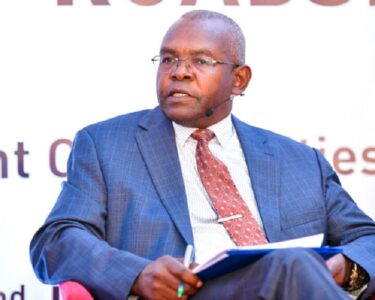
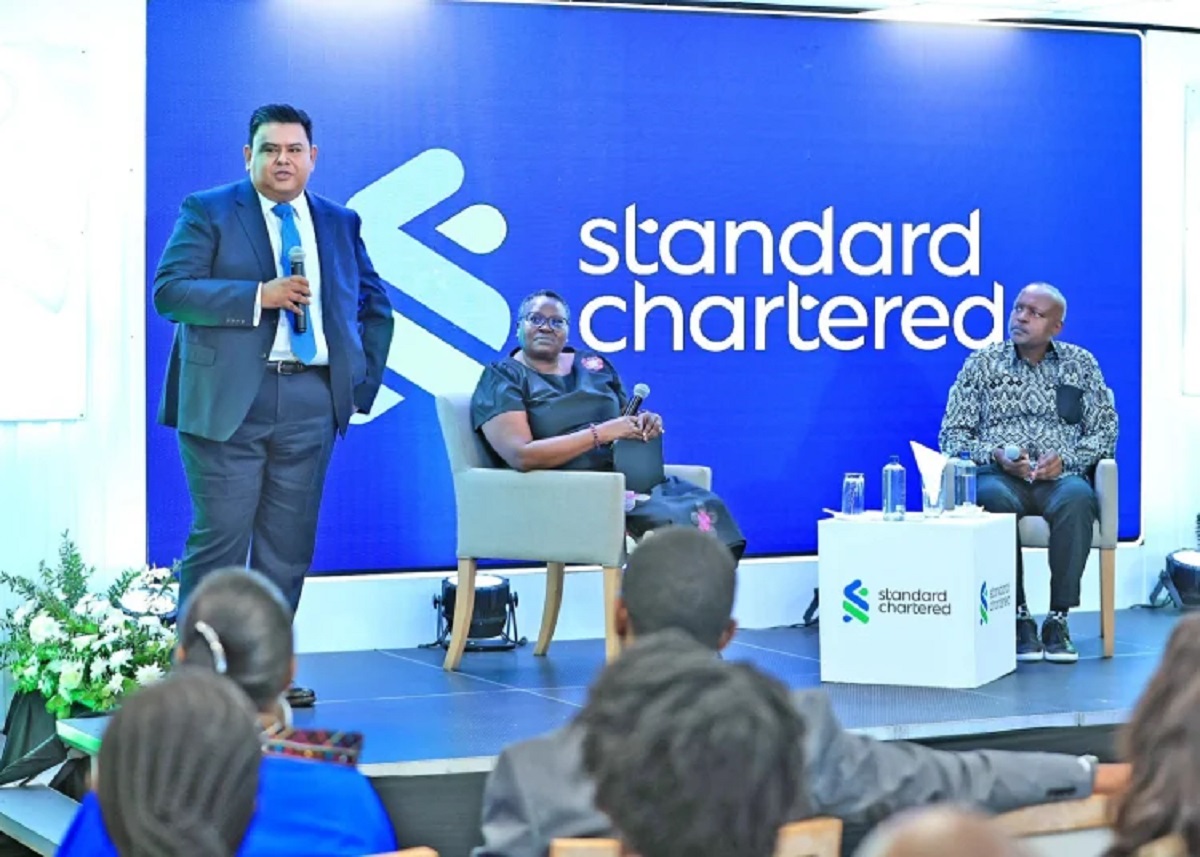
Outgoing Managing Director Kariuki Ngari is due to hand over leadership to incoming CEO Birju Sanghrajka, a transition announced earlier this year alongside the bank’s full-year results.
Standard Chartered Bank Kenya’s half-year performance contrasts with other major lenders. Equity Group Holdings, the country’s largest bank by assets, reported first-half net profit up 32% to a record 43.8 billion shillings, driven by regional expansion and higher transaction volumes.
Absa Bank Kenya reported a 10% decline in first-half earnings to 10.5 billion shillings but still declared a 2.72 billion shilling interim dividend, while Family Bank posted a 62% surge in half-year profit to 3.7 billion shillings.
Analysts have said the divergence reflects differing exposure to government securities, foreign exchange trading and lending margins across Kenya’s banking sector, as interest rates have declined from the highs seen in 2023 and 2024.
Standard Chartered Bank Kenya has said its capital and liquidity positions remain well above regulatory minimums. As of its most recent full-year results, core capital adequacy stood at 20.36%, more than double the statutory minimum of 10.50% set by the Central Bank of Kenya.
The bank’s liquidity coverage ratio stood at 300% and its net stable funding ratio at 155%, both above the 100% regulatory threshold, the company said.
Standard Chartered Bank Kenya operates as a unit of Standard Chartered Plc, which has operated in Kenya since 1911 and is among the country’s oldest banks. The lender serves corporate, institutional and retail clients and has increasingly focused on wealth management and cross-border banking services for corporate clients.
The bank’s shares have underperformed in recent years despite steady earnings, with Simply Wall St data showing the stock price falling by an average of 9% annually over the past three years, even as earnings per share rose by about 4% a year over the same period.
Shareholders will have an opportunity to review the half-year results and ask questions about the dividend policy and earnings outlook at the bank’s upcoming investor briefings, though no date has yet been announced.