
 By
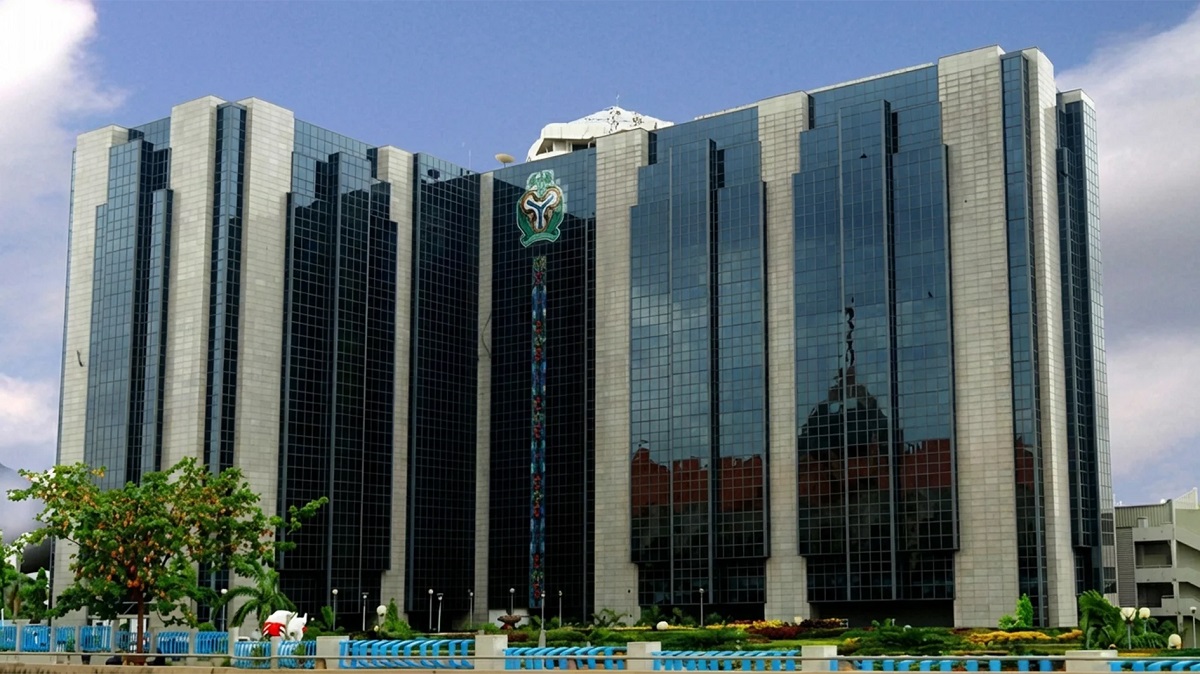
By The Central Bank of Nigeria (CBN) said on Tuesday it has designated terrorism financing risk a current supervisory priority, tightening oversight of banks and other financial institutions as part of efforts to shield the financial system from illicit actors.
The announcement, made in a statement signed by Hakama Sidi-Ali, the CBN’s acting director of corporate communications and investor relations, did not introduce new rules but signalled that terrorism financing controls will draw greater regulatory attention during routine supervision of lenders.
The apex bank said its heightened focus covers four areas: terrorism financing risk management, transaction monitoring, implementation of targeted financial sanctions, and the reporting of suspicious transactions linked to terrorism financing.
The CBN said it would continue to apply a risk-based supervisory approach, using both on-site inspections and off-site assessments to evaluate how effectively banks and other regulated entities manage terrorism financing exposure.
The measures are being carried out within Nigeria’s existing legal and regulatory framework, the CBN said, rather than through a new set of compliance requirements. The statement did not specify new penalties, deadlines or reporting forms for financial institutions.
The move forms part of the central bank’s broader effort to strengthen anti-money laundering, counter-terrorism financing and counter-proliferation financing controls, collectively referred to in banking regulation as AML/CFT/CPF, across Nigeria’s financial sector.
The CBN said the supervisory focus also supports Nigeria’s ongoing domestic and international cooperation on counter-terrorism financing, counter-proliferation financing and broader efforts to protect financial integrity. The bank added that further supervisory engagement would be carried out “as appropriate,” without giving a timeline.
Nigeria’s central bank did not name specific institutions, individuals or transactions under scrutiny, and the statement stopped short of citing any particular case or incident that prompted the elevated priority.
Banking sector analysts said the announcement effectively raises the compliance bar for lenders, payment providers and other regulated firms, even though it does not create new statutory obligations.
Institutions handling high volumes of digital payments, merchant transactions and cross-border transfers are likely to face closer examination of the systems they use to flag suspicious activity, according to industry commentary following the statement.
Counter-terrorism financing rules generally require banks to monitor the source and destination of funds moving through their systems, regardless of whether the money originated from criminal activity.
Counter-proliferation financing controls, meanwhile, are designed to prevent financial resources from reaching individuals or organizations linked to banned weapons programmes and international sanctions lists.
The CBN’s statement comes as Nigerian authorities continue to face scrutiny over the effectiveness of the country’s anti-money laundering and counter-terrorism financing regime, an area of long-standing interest to international bodies that assess financial crime risk in emerging markets.
Nigeria, Africa’s most populous nation and one of its largest economies, has for years worked to align its financial regulatory framework with international AML/CFT/CPF standards.
The CBN, as the primary regulator of banks and other deposit-taking institutions, plays a central role in enforcing those standards through licensing, supervision and enforcement powers.