
 By
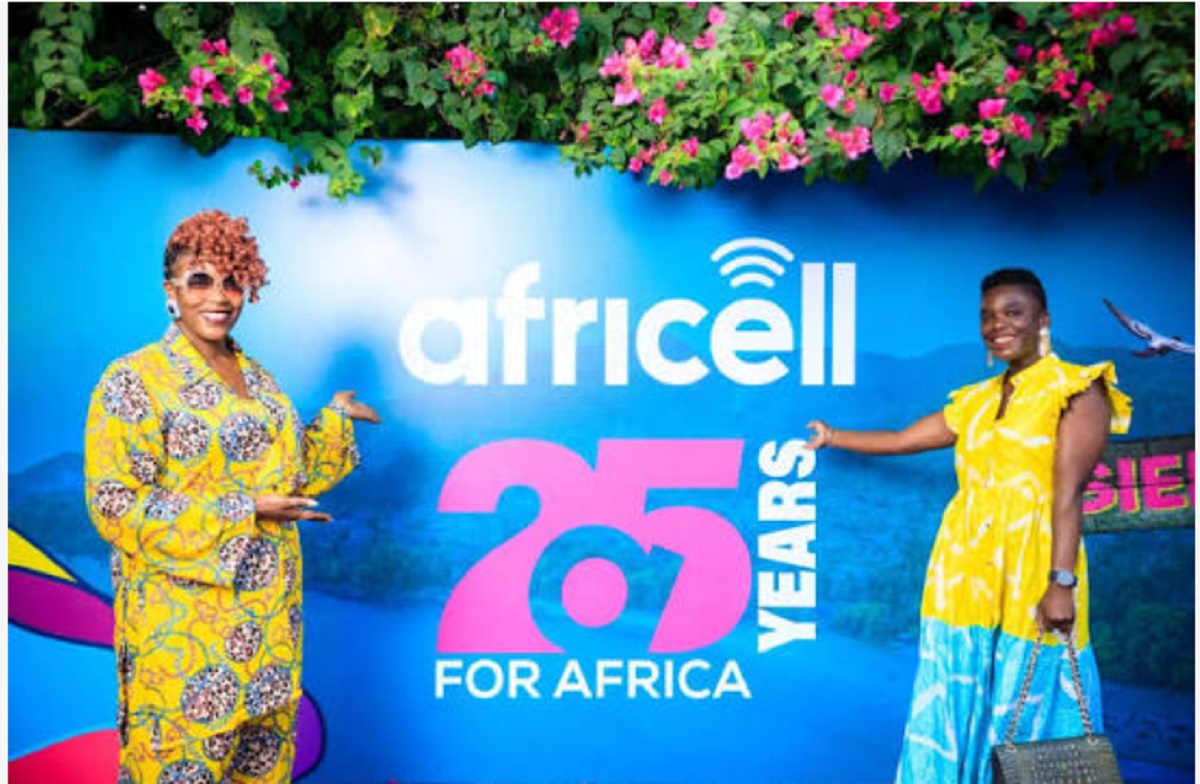
By The Trump administration will lend nearly $100 million to Africell, Africa’s only American-owned telecoms firm, as it seeks to counter the expansion of China’s Huawei in Africa, according to a person familiar with the matter and a draft press release reviewed by Reuters.
The loan, arranged through the U.S. Export-Import Bank, has not been previously reported and is expected to be formally announced later on Friday, according to the draft document.
The loan will “enable Africell to invest in the latest mobile network technology from American and allied suppliers,” the draft release states.
The financing is designed to help the Sierra Leone-based operator upgrade its network infrastructure using equipment from U.S. and allied vendors rather than Chinese suppliers such as Huawei.
Ziad Dalloul, chief executive of Africell Holding Limited, said in the document: “We are pleased to be working with EXIM to introduce more trusted and secure communications infrastructure to our operating markets.”
The loan is part of Washington’s campaign to bolster the use of non-Huawei telecoms equipment overseas.
President Donald Trump’s administration launched a “clean network” initiative during his first term aimed at purging Chinese telecoms technology, applications and carriers from infrastructure in the United States and allied nations, and has pursued similar efforts during his second term.
The U.S. government has heavily sanctioned Huawei over allegations that the company could use its equipment to spy on users, a claim Huawei has denied.
Despite years of restrictions, Huawei remains a dominant player in the region’s telecommunications market.
Huawei holds about a 52% market share for 5G infrastructure in Africa, according to Counterpoint Research. That entrenched position underscores the scale of the challenge facing U.S. efforts to promote alternative suppliers on the continent.
The loan also follows through on a 2025 executive order signed by Trump that mandates U.S. agencies promote the use of American technology abroad in areas including artificial intelligence, data center storage, cloud services and networking.
Founded in 2001, Africell has purchased technology from companies including HP, Nokia, Dell and Oracle to power a data center in Angola, according to its website. The company serves about 15 million customers across Angola, Gambia, the Democratic Republic of Congo and Sierra Leone.
This is not the first time Africell has received U.S. government financing. The company received a $100 million loan in 2018 from the Overseas Private Investment Corporation, the U.S. development financier now known as the International Development Finance Corporation, to expand its communications infrastructure.
U.S. officials have repeatedly framed the competition with Huawei in terms of national security and data sovereignty. Following a 2022 visit to Africell’s offices in Angola, Wendy Sherman, who served as deputy secretary of state under former President Joe Biden, said that when countries choose Huawei, “they are potentially giving up their sovereignty, … turning over their data to another country.”
That message has been echoed across two U.S. administrations, reflecting a rare point of continuity in Washington’s approach to Chinese telecoms equipment despite broader policy shifts between the Biden and Trump administrations.
The financing arrangement highlights how the U.S. government is increasingly using its export-credit agencies — rather than direct sanctions alone — to compete commercially with Chinese state-backed telecoms firms in emerging markets.
Huawei has for years benefited from low-cost financing extended by Chinese state banks, allowing it to offer competitive terms to network operators across Africa, Asia and Latin America.
By channeling capital through the Export-Import Bank, U.S. officials aim to give African operators like Africell a financial incentive to source equipment from American and allied vendors instead.
Africa’s telecoms market has become a key battleground in the broader U.S.-China technology rivalry, with Washington casting the expansion of Huawei’s networks as a security risk and Beijing defending the company’s role in expanding digital access across the continent.
The Export-Import Bank, an independent U.S. government agency, provides loans, guarantees and insurance to support the export of American goods and services.
Its involvement in the Africell deal marks one of the more direct examples yet of U.S. financing being used specifically to counter Huawei’s footprint in African telecommunications markets.