
The International Monetary Fund and Senegal reached a staff-level agreement on Monday for a $2.2 billion loan programme, a step toward restoring financial support suspended in 2024 after the West African nation admitted to under-reporting its public debt.
The IMF said the deal covers a 36-month arrangement under its Extended Credit Facility (ECF), worth about 1.5 billion Special Drawing Rights, or 475% of Senegal’s quota at the Fund.
Mercedes Vera Martin, who led the IMF mission, said in a statement that the agreement would underpin Senegal’s economic and financial reform programme for 2026-29. She said it “requires decisive corrective actions” to support Senegal’s request for a waiver in the country’s debt-misreporting case, and remains subject to approval by IMF management and its Executive Board.
Vera Martin’s team held talks with Senegalese officials in Dakar between Aug. 19 and Sept. 1.
The IMF said Senegal’s reform plan aims to restore macroeconomic stability and debt sustainability, reduce fiscal and external vulnerabilities, and increase social spending while supporting private-sector-led growth.
The authorities also committed to measures to strengthen public finances, improve fiscal transparency and promote financial inclusion, the Fund said.
Board approval of the loan will additionally require “the receipt of the necessary financing assurances from Senegal’s partners,” Vera Martin said. The IMF-backed programme is expected to help unlock additional financing from the World Bank, the African Development Bank and other development partners, she said.
Senegal’s economy grew 6.7% in 2025, helped by a first full year of oil production, Vera Martin said, though growth excluding hydrocarbons slowed to 2.2%. Inflation stayed within the central bank’s target range, at 1.4%.
Non-oil growth rebounded to 4.7% year-on-year in the first quarter of 2026, driven by stronger private consumption, according to the IMF statement.
The staff-level agreement follows nearly two years of fallout from revelations that Senegal’s previous government, under former President Macky Sall, understated public debt and budget deficit figures between 2019 and 2023.
An audit by the Court of Auditors, published in February 2025, found that central government debt at the end of 2023 stood at 111% of gross domestic product, not the 74.4% previously reported. Debt climbed further to nearly 119% of GDP by the end of 2024, according to IMF figures cited following a Fund mission to Dakar in August 2025.
The IMF suspended a $1.8 billion credit facility to Senegal in 2024 after the discrepancies came to light, pending a review of the country’s fiscal reporting and evidence of corrective steps.
Prime Minister Ousmane Sonko’s government, elected in 2024, has said it inherited the hidden liabilities and has pledged to improve transparency in public financial management, including through more reliable budget execution reports.
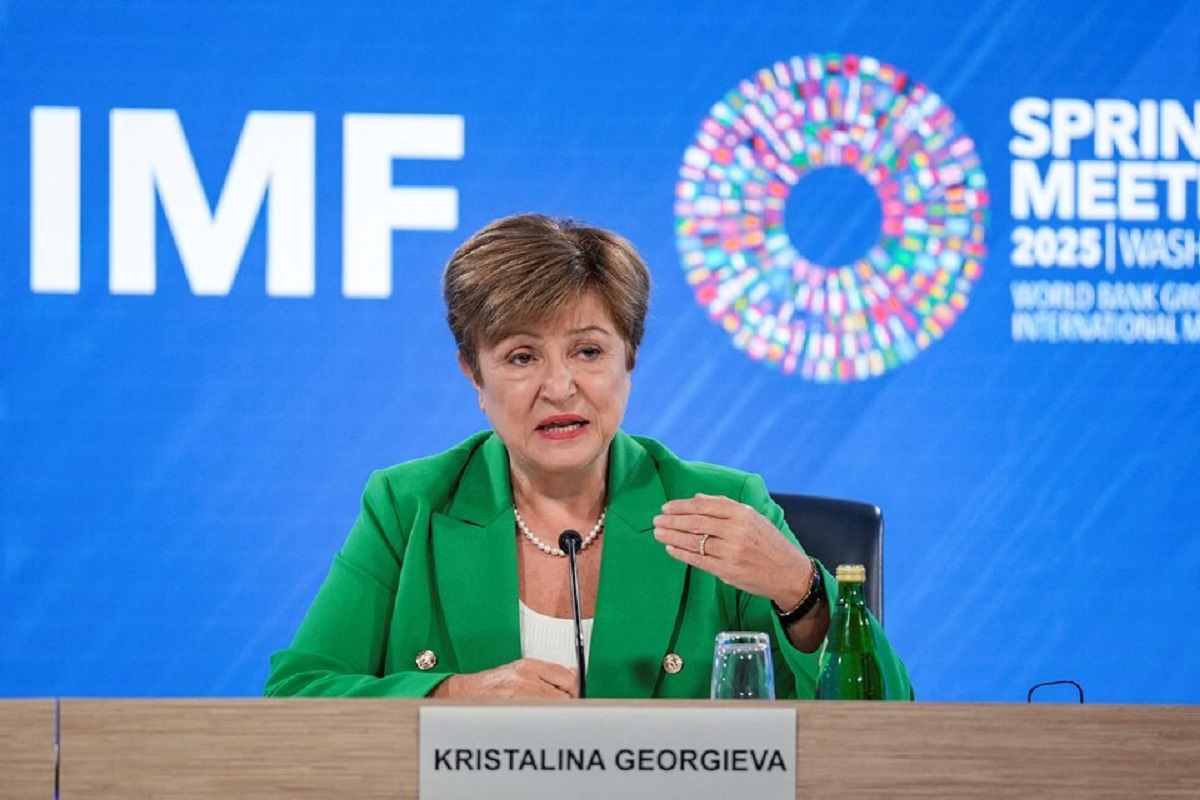
IMF Managing Director Kristalina Georgieva said in October that Senegalese authorities had made “important progress” in addressing the misreporting case and welcomed the country’s formal request for a new IMF-supported programme.
Moody’s and S&P Global Ratings downgraded Senegal’s sovereign credit rating multiple times following the disclosures, and the country’s borrowing costs on international markets rose sharply, complicating its access to external financing.
The staff-level agreement is not final. It must still be endorsed by IMF management and approved by the Fund’s 24-member Executive Board, a process that typically follows once financing assurances from creditors and partner institutions are confirmed.
If approved, the new arrangement would replace the previous $1.8 billion Extended Fund Facility and Extended Credit Facility programme agreed in 2023, which was frozen before most of its funds were disbursed.
Senegal, a member of the West African Economic and Monetary Union, uses the CFA franc, which is pegged to the euro. The country began commercial oil and gas production in 2024 from its offshore Sangomar field, a development officials have said is central to boosting government revenue and reducing reliance on external borrowing.

Indumwa
Investreet Financial publishes financial education, market insights and practical resources to help readers make more informed financial decisions.