
 By
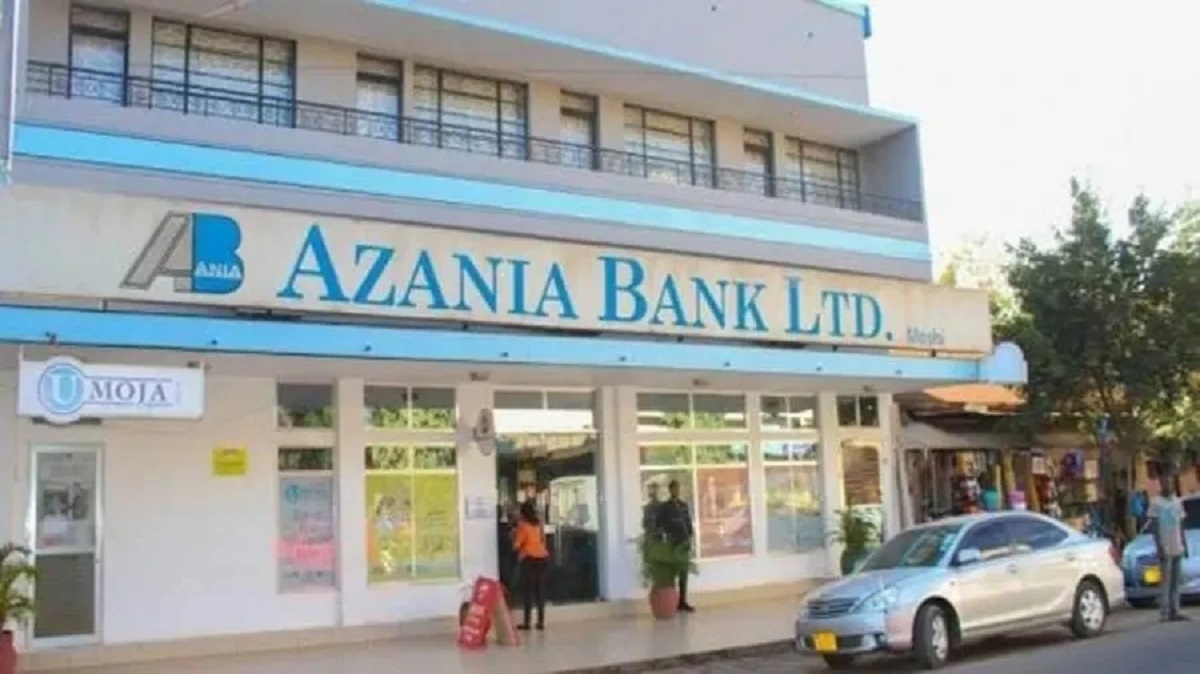
By African Export-Import Bank (Afreximbank) has extended a $10 million finance facility to Tanzania’s Azania Bank to expand access to funding for small and medium-sized enterprises involved in export-related activities.
The Afreximbank $10 million facility to Azania Bank will be provided under the lender’s Export SME Development Programme and will allow Azania Bank to offer eligible businesses working capital and medium-term financing, Afreximbank said in a statement on Thursday.
The financing is intended to support business expansion, acquisition of productive assets and pre- and post-export operations, while helping Tanzanian SMEs participate in regional and international trade.
Azania Bank will on-lend the funds to qualifying SMEs operating across sectors including agriculture, manufacturing, trade, technology, logistics and value-added exports, according to Afreximbank.
The facility comes as African businesses continue to face challenges obtaining financing needed to expand production and participate in cross-border trade. Afreximbank said the programme is designed to address financing gaps affecting SME growth and export development.
Oluranti Doherty, managing director for export development at Afreximbank, said SMEs were important to Africa’s industrialisation, value addition and trade-led growth but continued to face barriers to financing, market opportunities and technical support.
Under the programme, Afreximbank said it will provide participating SMEs with more than financing. The support will include export-readiness training, financial-management advisory services, market-linkage opportunities, digitalisation support and access to SME-focused knowledge and networking platforms.
The bank said the combination of financing and business-development support was intended to help companies strengthen their competitiveness and participate more effectively in regional and global value chains.
Yahaya Mbanka, director of business development at Azania Bank Plc, said the facility would strengthen the bank’s ability to finance Tanzanian SMEs seeking to expand their businesses, invest in productive capacity and pursue export opportunities.
He said the partnership would also allow Azania Bank to provide support tailored to businesses operating across Tanzania’s key value chains.
The facility is expected to cover both working-capital requirements and medium-term investment needs. Working capital can help businesses meet day-to-day operating costs, while medium-term financing can support investments such as equipment and other productive assets.
Afreximbank said the financing would also support SMEs seeking to improve their readiness for exports and take advantage of opportunities arising from the African Continental Free Trade Area (AfCFTA).
The AfCFTA seeks to increase trade among African countries by reducing trade barriers and creating a larger continental market.
For SMEs, greater regional integration can provide opportunities to sell goods and services beyond their domestic markets, although businesses still need access to finance, production capacity and market information to take advantage of those opportunities.
The Afreximbank $10 million facility to Azania Bank is also aligned with Tanzania’s priorities around domestic production, value addition, export diversification and regional trade integration, the bank said.
Afreximbank’s 2025 Annual Trade Development Effectiveness Report provides a broader picture of its SME financing activities. The report said the bank extended more than $960 million to more than 58,000 SMEs across Africa during the year.
The programme prioritised women- and youth-led enterprises among other businesses, according to the report, and provided trade-finance facilities intended to help companies obtain capital, engage in cross-border commerce and enter new markets.
Afreximbank has increasingly used partnerships with commercial and financial institutions to channel financing to businesses that may not directly access the pan-African lender.
Under the arrangement with Azania Bank, the Tanzanian lender will serve as the intermediary through which eligible SMEs receive financing.
The structure allows the facility to reach businesses operating in different sectors and parts of Tanzania through an established local banking network.
Azania Bank already offers SME lending products for formal businesses, including financing for working capital and capital investment.
Its published SME loan information says its products are aimed at businesses with capital investment below 500 million Tanzanian shillings and offer repayment periods of up to two years, although the terms of financing under the new Afreximbank facility were not disclosed.
The new facility is therefore separate from the bank’s existing publicly advertised SME loan products, and the specific eligibility requirements, pricing and repayment terms applicable to financing backed by the Afreximbank programme were not detailed in the announcement.
For Tanzanian businesses engaged in agriculture, manufacturing, logistics, technology and other export-oriented activities, the facility could provide an additional source of funding for expansion and trade-related operations.
Afreximbank said the programme would also help businesses strengthen their capacity to participate in regional supply chains.
The announcement adds to a series of initiatives by African development-finance institutions aimed at expanding trade finance for Tanzanian businesses.
In September 2025, the African Development Bank approved a separate $10 million trade-finance transaction guarantee for Exim Bank Tanzania, designed to support trade transactions involving SMEs and local companies.
Afreximbank said its partnership with Azania Bank is intended to strengthen access to finance while providing businesses with capacity-building and market-access support.
The programme’s focus on export-oriented SMEs means its impact will depend in part on the ability of eligible businesses to convert additional financing and technical support into increased production, exports and participation in regional markets.