
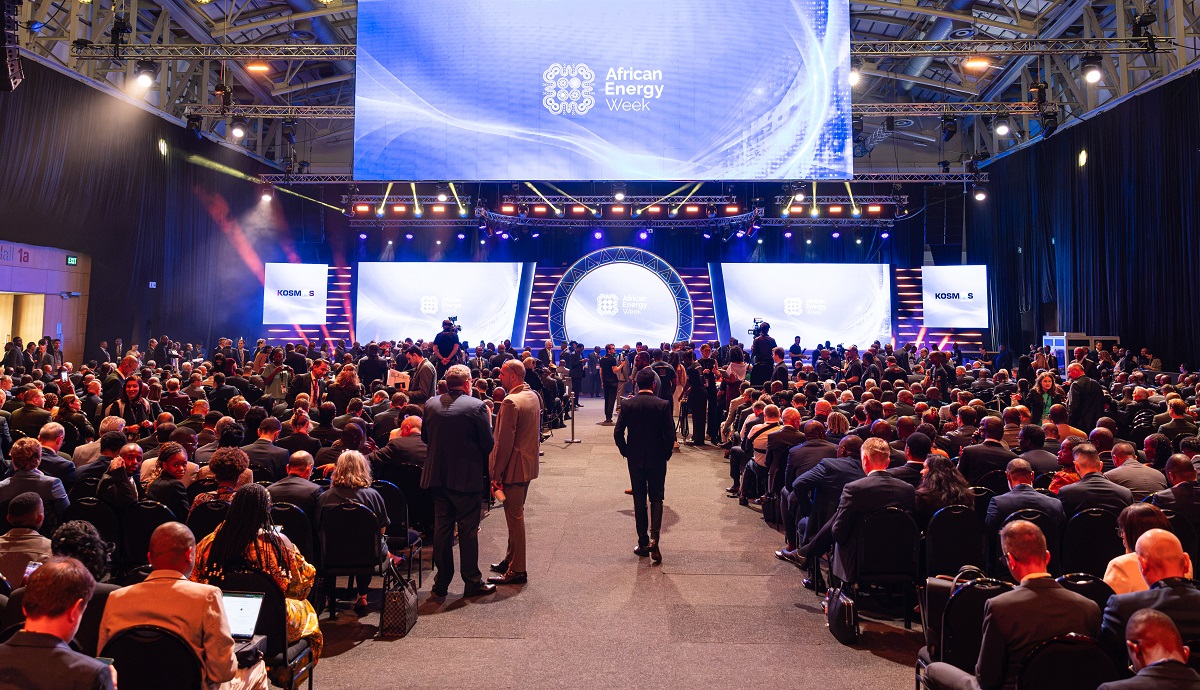
African Energy Week 2026 secured more than $17 billion in investment commitments, with governments and energy companies announcing new deals, licensing opportunities and project developments during the five-day conference in Cape Town.
The event, organized by the African Energy Chamber (AEC) from October 12 to 16, attracted more than 12,000 delegates, including government officials, national oil companies, private operators, financiers and technology providers, according to the organizers.
The commitments and agreements covered oil and gas exploration, liquefied natural gas infrastructure, power generation, digital technology and workforce development.
The announcements highlighted efforts to attract capital for African energy projects, although the headline commitment figure does not, by itself, establish how much funding has been disbursed or which projects have reached financial close.
Investment platforms target more than $16 billion
The Premier Invest Deal Room presented 15 projects spanning oil, gas, infrastructure and power that were seeking more than $16 billion in investment, the AEC said.
The projects were presented to potential financiers, including development finance institutions, commercial lenders and institutional investors. Opportunities included upstream exploration, liquefied natural gas infrastructure, gas-fired power generation and downstream development.
The African Farmout Forum, held on October 12 in partnership with Moyes & Co, Farmout Angel and Envoi Ltd, showcased 23 investment opportunities across established and frontier African oil and gas basins.
Operators presented their assets, technical information and investment terms to potential partners. The forum also facilitated discussions on joint ventures and the sale of partial interests in oil and gas assets, arrangements that can help companies share development costs and financial risks.
Governments promote licensing and regulatory reforms
African governments used the conference to promote exploration acreage, outline regulatory changes and attract investors to national energy industries.
Ivory Coast presented a $10 billion energy expansion strategy and its ambition to become a regional energy hub by 2035. The government highlighted the Calao and Calao South blocks as opportunities for international exploration and production companies.
Liberia launched its 2026 Direct Negotiation Petroleum Licensing Round through the Liberia Petroleum Regulatory Authority. The round offers 15 blocks across the Liberia and Harper basins, supported by seismic data intended to help companies assess exploration prospects.
Gabon outlined proposed petroleum code reforms aimed at making exploration more attractive through changes to contractual terms, lower entry costs and streamlined approval procedures.
Uganda reaffirmed its plans to bring oil production from the Lake Albert developments into operation while advancing plans for a domestic refinery with a targeted capacity of 60,000 barrels per day by 2030.
Senegal presented 104 blocks to investors, covering deepwater and onshore opportunities. Algeria, meanwhile, promoted seven onshore exploration blocks in an anticipated bidding round, with state energy company Sonatrach highlighting available geological information.
The opportunities reflect the range of approaches governments are taking to attract energy investment, from offering new acreage to changing regulatory frameworks. Their commercial impact will depend on investor participation, financing arrangements and the ability of companies to move discoveries and proposed developments into production.
Corporate agreements span data, offshore operations and aviation fuel
Several agreements announced during African Energy Week focused on technology, commercial partnerships and infrastructure development.
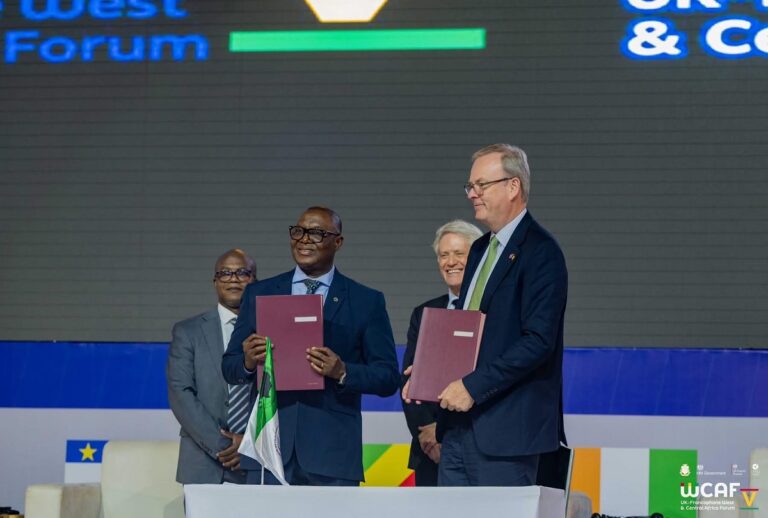
The African Energy Chamber and S&P Global Energy signed a five-year strategic partnership to improve African energy data transparency and market intelligence. The collaboration is intended to support energy outlooks and analysis that can help investors assess markets and make investment decisions.
In Angola, Etu Energias, Chariot and BW Energy announced a tripartite agreement aimed at advancing offshore development by combining local operating capabilities with international technical expertise.
South Africa’s national oil company, the South African National Petroleum Company (SANPC), also agreed to work with SLB on digital transformation. The collaboration will cover cloud-based data systems and advanced subsurface technologies used to evaluate underground geological formations.
Sasol and White Desert formalized an agreement covering the offtake of sustainable aviation fuel, supporting efforts to establish commercial supply and distribution arrangements for the alternative fuel.
Separately, Imbono and the University of Cape Town announced a three-year partnership linking academic research with commercial investment to support infrastructure development.
The agreements span different stages of the energy value chain, from geological data and offshore exploration to digital systems, alternative fuels and infrastructure planning. Their contribution to investment will depend on the implementation of the agreements and the projects that emerge from them.
Gas developments advance in Senegal, Mozambique and Nigeria
Project updates at the conference highlighted developments in several major African hydrocarbon markets.
Senegal’s national oil company, Petrosen, outlined progress on the Yakaar-Teranga gas project and targeted a final investment decision by the end of 2027. A final investment decision is the point at which project developers formally approve proceeding with a project, typically after assessing its commercial viability and financing.
The deepwater gas development is viewed as an opportunity to expand domestic gas supply. Reaching the investment decision will be an important step towards determining the project’s development timetable and financing requirements.
In Mozambique, Italian energy company Eni said drilling for its Coral North floating liquefied natural gas project would begin in November 2026.
Floating liquefied natural gas facilities process natural gas offshore into a liquid form that can be transported by ship to overseas markets. Mozambique’s offshore gas developments have attracted international investment, although project execution depends on technical, commercial and operating conditions.
TotalEnergies also announced that it had secured a deepwater drillship for an upcoming exploration and appraisal campaign offshore Nigeria. The campaign is intended to advance work on prospects in the country’s deepwater acreage.
Exploration and appraisal drilling helps companies assess whether potential resources can support commercially viable development. Results from such campaigns can influence subsequent investment decisions, but the existence of a drilling programme does not guarantee a discovery or eventual production.
Skills development remains part of the investment agenda
African Energy Week also featured initiatives aimed at developing technical and financial skills among African students and young professionals.
The AEW Future Leaders Student Challenge recognized three university teams for engineering solutions and financial modelling addressing energy-sector development challenges.
The ExxonMobil Foundation STEM Africa Challenge gave students a platform to present technology and engineering concepts related to energy access, including clean energy, decentralized solar power and off-grid applications.
Such initiatives address the skills required to develop and operate energy infrastructure, including technical engineering, financial analysis and project management.
The conference’s programme also included the African Energy Awards and Gala Dinner, business-to-business meetings, corporate breakfasts and ministerial roundtables designed to facilitate further discussions among companies, investors and policymakers.
Financing and implementation remain key tests
The $17 billion in reported commitments provides an indication of the scale of commercial activity associated with African Energy Week 2026. However, commitments, proposed investments, signed agreements and completed financing transactions represent different stages of project development.
The projects presented in Cape Town range from exploration acreage and offshore gas developments to power infrastructure and energy-related technology. Their progress will depend on factors including financing availability, regulatory certainty, project economics and the ability of companies and governments to meet implementation milestones.
African Energy Week brought together stakeholders seeking to connect energy resources with capital and commercial partners. The longer-term significance of the announced commitments will become clearer as individual projects advance and the financial details and implementation timelines are established.

Indumwa
Investreet Financial publishes financial education, market insights and practical resources to help readers make more informed financial decisions.