
Deutsche Bank has added Nigeria to its frontier currency watchlist, saying the naira is undervalued and may have more room to climb against the dollar.
The bank warned, though, that rising government borrowing could derail the Nigerian naira outlook.
The German lender pointed to high interest-rate returns, favourable real rates and improving external conditions as support for the currency, according to a Bloomberg report. It named fiscal pressure, including heavy government bond issuance, as the main risk.
Among the year’s best performers
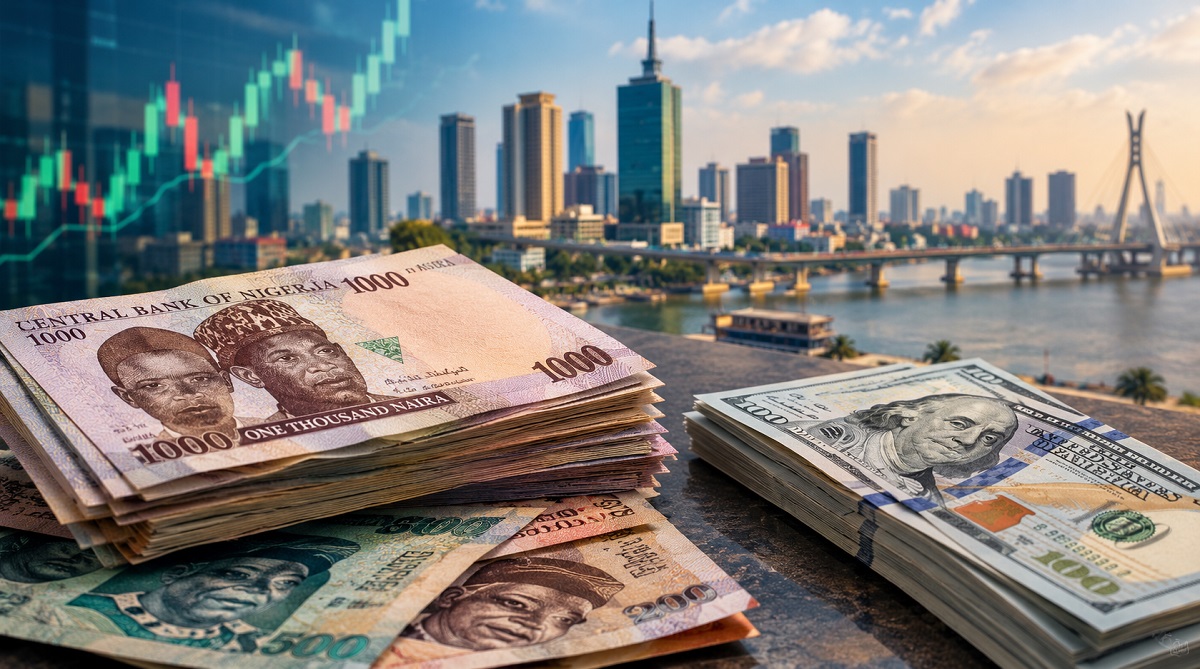
The naira has gained nearly 8% against the dollar in 2026, putting it among the 10 best-performing currencies of the 144 Bloomberg tracks.
That has lifted returns for investors holding Nigerian equities and local-currency government bonds.
Deutsche Bank’s frontier monitor covers currencies in smaller, less liquid markets. Angola’s kwanza and Ghana’s cedi are also on it.
Yield is the draw
Much of the bank’s case rests on returns. Nigeria’s high interest rates attract foreign investors looking for yield on government securities, a strategy known as the carry trade. It works only as long as currency moves don’t wipe out the extra income.
Deutsche Bank also sees real rates, which strip out inflation, as favourable. A stronger naira adds to dollar returns when investors convert their gains back. If the currency weakens, the losses can cancel the interest earned.
Oil and dollar supply
As a major crude producer, Nigeria earns much of its foreign currency from oil. Deutsche Bank said higher oil prices have helped the external positions of Nigeria and Angola, while stronger gold prices have benefited Ghana.
Reserves and investor inflows are also supporting liquidity and confidence in the naira, the bank said.
But commodity prices alone won’t sustain a recovery. Export volumes, how the government manages its revenue and local demand for dollars will matter too.
Borrowing is the main risk
“The principal risk to the outlook is from the fiscal side,” Deutsche Bank said in its client note, as reported.
The bank flagged the Debt Management Office’s fourth-quarter bond calendar, which points to heavy government borrowing.
More bond supply can push up borrowing costs and pull money away from private-sector investment.
Deutsche Bank also expects government spending to rise ahead of Nigeria’s January elections, though it sees less risk from the vote itself.
Extra spending could add to fiscal strain if revenue or financing doesn’t keep pace, and the effect on the naira would depend on inflation, liquidity and investor confidence.
Frontier status returns
The bank’s call follows a decision by index provider FTSE Russell to reclassify Nigeria from Unclassified to Frontier Market, effective September 21, 2026.
FTSE Russell had dropped Nigeria from its frontier indices in September 2023, when foreign investors struggled to trade currency and repatriate capital.
Better conditions in the foreign exchange market and the clearing of currency backlogs helped pave the way back, according to reports on the move.
Index inclusion raises a market’s profile with international funds, but it doesn’t guarantee inflows. Investors also weigh market access, liquidity, convertibility, regulation and macroeconomic stability.
What comes next
Oil prices, dollar supply, inflation, interest-rate policy and government borrowing will all pull on the naira.
High yields and stronger export earnings favour further gains. Heavy borrowing, rising dollar demand or a dip in investor confidence could cut the other way.
Deutsche Bank’s view is a positive signal, not a promise that the naira will keep rising.

Indumwa
Investreet Financial publishes financial education, market insights and practical resources to help readers make more informed financial decisions.