
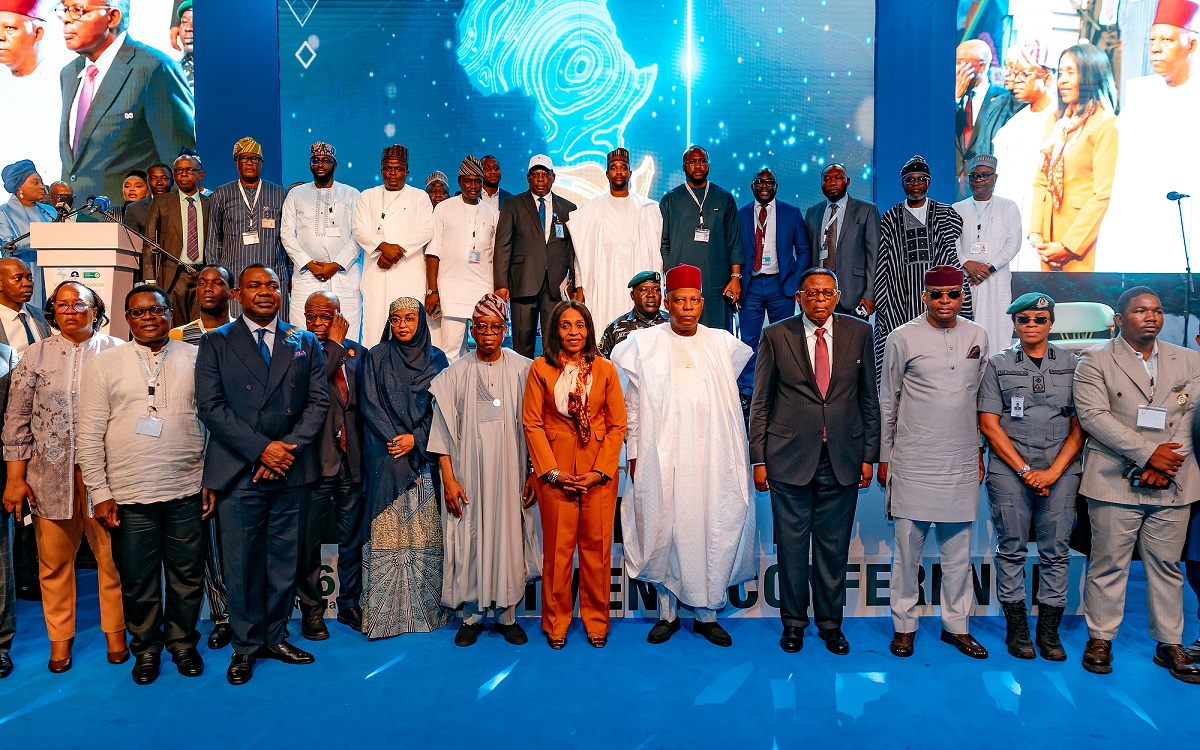
African subnational governments have identified 134 investment opportunities worth approximately $9.5 billion, as the African Export-Import Bank (Afreximbank) pushes to strengthen regional investment, industrialisation and intra-African trade.
The opportunities were highlighted at the sixth African Sub-Sovereign Governments Network (AfSNET) Investment Conference, held in Calabar, Cross River State, Nigeria, from November 12 to 14.
The conference brought together representatives of African states, provinces, counties and municipalities, alongside investors, financial institutions and development partners, to discuss ways of converting regional development priorities into commercially viable projects.
In its conference outcome statement, participants said the investment pipeline covered 14 sectors and called for stronger project preparation, financing arrangements and institutional capacity to move opportunities towards implementation.
The discussions focused on infrastructure development, industrialisation, agricultural processing, tourism, the creative economy and regional value chains, all of which participants identified as important to expanding trade across African markets.
Afreximbank pushes investment readiness
A central priority of the AfSNET conference was improving the ability of subnational governments to prepare projects that can attract institutional and private-sector financing.
Participants emphasised that investment opportunities alone would not guarantee funding, noting that projects require credible feasibility studies, sound financial and legal structures, clear implementation arrangements and capable institutions.
The conference recommended that governments make greater use of Afreximbank’s Project Preparation Facility and other development finance and advisory instruments to move projects from initial concepts through feasibility assessments, structuring and financial close.
It also called for stronger investment promotion agencies, improved coordination between government institutions, reliable investor information and sustained engagement with potential investors.
Afreximbank established AfSNET in 2021 to provide a platform for African subnational authorities to showcase investment opportunities, develop partnerships and strengthen their participation in continental trade and economic integration.
The network seeks to connect regional governments with financial institutions, businesses and development partners that can support projects aligned with the African Continental Free Trade Area (AfCFTA).
$2 billion financing commitment
The conference outcome statement also acknowledged Afreximbank’s existing commitment of $2 billion in financing to support the trade and investment requirements of AfSNET members.
The bank’s support includes financing, project preparation, industrialisation initiatives, trade facilitation and market-access programmes.
Among the initiatives referenced by participants were the Africa Trade Gateway, Pan-African Payment and Settlement System (PAPSS), African Buyers Programme, Africa Trade and Distribution Company, Intra-African Trade Fair and the AfCFTA Adjustment Fund.
The bank’s initiatives also include support for special economic zones, border-market infrastructure, transit guarantees and African Quality Assurance Centres.
Participants called for subnational governments to make better use of these instruments to strengthen local production, improve access to regional markets and increase the competitiveness of African businesses.
However, the conference stressed that investment proposals must be supported by commercially sustainable models, credible sponsors and realistic financing arrangements.
Infrastructure and industrialisation take centre stage
Trade-enabling infrastructure emerged as another major priority during the discussions.
Participants highlighted the importance of reliable transport networks, ports, energy systems, logistics facilities and border infrastructure in reducing the cost of moving goods across African countries.
They also called for stronger regional cooperation in maritime transport, alongside investment in African shipbuilding and ship repair capabilities.
The conference recommended the expansion of commercially viable industrial parks, special economic zones and agro-processing platforms.
Such developments, participants said, should be supported by consistent government policies, reliable infrastructure, demonstrated market demand and credible private-sector investors.
The recommendations also encouraged public-private partnerships and innovative financing structures to support commercially viable infrastructure projects while maintaining sound governance and fiscal sustainability.
Tourism and the creative economy were also identified as areas with potential to generate investment and expand African exports.
Participants called for greater investment in cultural and creative industries under the AfCFTA framework, including through Afreximbank’s Creative Africa Nexus initiative.
Bakassi Deep Seaport highlights regional ambitions
The conference was hosted by the Cross River State Government in partnership with the Nigeria Governors’ Forum.
Nigeria’s Vice-President Kashim Shettima represented President Bola Tinubu at the opening of the conference and participated in the groundbreaking ceremony for the proposed Bakassi Deep Seaport, according to the conference outcome statement.
The development was cited as an example of the importance of translating investment opportunities into projects capable of attracting financing and supporting regional economic activity.
Participants also welcomed investment pitches by governors and business-to-government deal-room sessions, which provided opportunities for regional authorities to present priority projects and engage potential financiers.
The conference called for follow-up mechanisms to ensure that proposals presented during the event are submitted to Afreximbank for consideration for project preparation, financing and investor matchmaking.
AfCFTA implementation requires stronger regional participation
The recommendations reflect growing attention to the role of subnational governments in implementing the African Continental Free Trade Area.
Although national governments negotiate trade agreements and establish broad economic policies, states, counties, provinces and municipalities are responsible for many of the infrastructure, production and local investment activities needed to make regional trade possible.
Participants called on African governments to promote investment-friendly policies, simplify customs and trade documentation and improve cross-border infrastructure.
They also encouraged governments to strengthen local value addition and share information about Afreximbank’s financing products and AfCFTA opportunities with businesses operating within their jurisdictions.
The conference further urged development finance institutions and private investors to provide appropriate financing, technical assistance and partnerships for eligible regional projects.
As part of efforts to maintain momentum, participants encouraged African subnational governments and businesses to participate in the Intra-African Trade Fair 2027, scheduled for November 5 to 11 in Lagos, Nigeria.
The conference concluded with a commitment to translate Africa’s regional economic potential into productive investment, stronger intra-African trade, expanded employment opportunities and sustainable development.

Indumwa
Investreet Financial publishes financial education, market insights and practical resources to help readers make more informed financial decisions.