
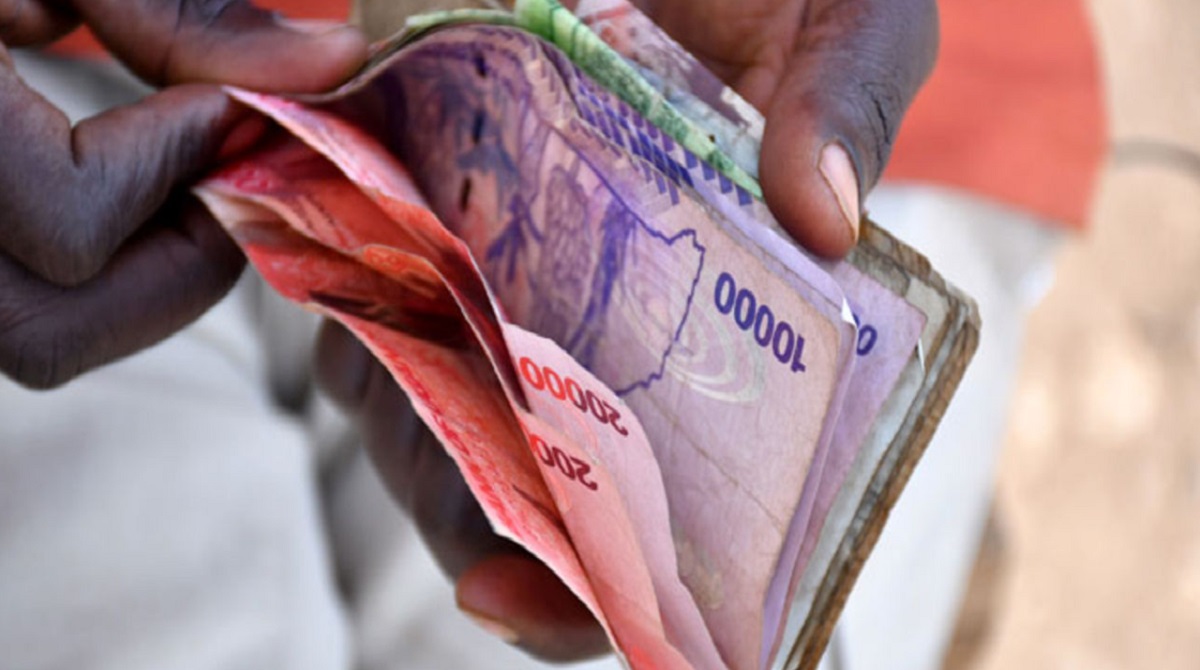
Uganda’s shilling has fallen to its weakest level since 1993, trading at 4,143 per U.S. dollar as investors pull money from local markets and businesses increase their demand for foreign currency.
The currency has lost more than 10% since August 25, according to Bloomberg data cited by Business Insider Africa. The decline has been driven by capital outflows, demand for dollars from importers and pressure from higher energy costs.
Citigroup estimates that more than $200 million left Uganda’s financial markets over a two-week period as investors shifted away from local-currency bonds towards dollar-denominated assets.
The sell-off adds to pressure on the shilling at a time when businesses need dollars to pay overseas suppliers and settle other international obligations.
Investors favour dollar-denominated assets
The movement of funds comes as higher U.S. bond yields make dollar investments more attractive to some international investors.
When investors sell Ugandan government bonds and convert the proceeds into dollars, demand for the U.S. currency rises. Unless that demand is matched by sufficient dollar inflows, the shilling can come under further pressure.
Citigroup’s estimate of more than $200 million in outflows points to the effect that investment decisions can have on Uganda’s foreign-exchange market.
Businesses are also competing for dollars to finance imports, including fuel, machinery and other goods purchased from overseas suppliers. Higher energy costs have added to their foreign-currency requirements.
For importers, a weaker shilling means they need more local currency to pay the same dollar-denominated bill. Companies may absorb some of the increase, but others could pass higher costs on to customers.
Museveni rejects using reserves to support shilling
President Yoweri Museveni has opposed using Uganda’s foreign-exchange reserves to defend the currency through direct dollar sales.
Museveni has instead called for lower dependence on imports and greater use of locally produced goods. He has also highlighted exports and tourism as sources of foreign-currency earnings.
The debate centres on how Uganda should respond to the falling shilling without depleting the reserves it needs to pay for imports and meet external obligations.
Central banks can sell dollars from their reserves to increase supply in the foreign-exchange market and ease pressure on a currency. But such intervention has limits, particularly when demand for foreign currency remains high.
Uganda’s foreign-exchange reserves stood at about $6 billion, equivalent to roughly 2.7 months of imports, according to the International Monetary Fund estimates.
Those reserves provide a buffer against external shocks, but their adequacy also depends on the country’s import bill, debt payments and other foreign-currency needs.
Import demand adds to pressure
Uganda’s growing import bill has added another source of demand for dollars.
Goods imports reached $2.31 billion in August, up 66.5% from a year earlier. The increase coincided with a record trade deficit, according to figures cited in the report.
Imports require payments to foreign suppliers, while exports generate foreign-currency earnings. When the value of imports rises faster than export receipts and other dollar inflows, the resulting imbalance can put pressure on the exchange rate.
The impact of a weaker shilling extends beyond companies that trade directly in foreign currencies. Businesses that rely on imported fuel, equipment and production materials may face higher operating costs, which can feed into prices.
Consumers may also feel the effects if companies pass on some of those costs.
Exporters, meanwhile, can receive more shillings for every dollar earned abroad. But the benefit depends on their reliance on imported inputs and their ability to increase production.
Regional currencies face different pressures
Uganda’s currency decline comes as several African economies contend with demand for dollars, changing investment flows and the effects of global interest rates.
In a report published on October 8, Reuters said the Ugandan shilling had lost more than 11% against the dollar in 2026. Traders cited demand from importers, energy companies and telecommunications firms, as well as businesses buying dollars ahead of the fourth-quarter holiday period.
The report also noted pressure on Ghana’s cedi, while Nigeria’s naira and Kenya’s shilling were expected to remain comparatively stable. Zambia’s kwacha was forecast to receive support from corporate dollar sales linked to tax payments.
The different performances reflect conditions in each market, including the availability of foreign currency, export earnings, demand for imports and investor appetite for local assets.
For Uganda, the challenge is to meet demand for dollars while maintaining adequate reserves and limiting the impact of exchange-rate movements on businesses and consumers.
What could determine the shilling’s direction?
The currency’s next move will depend partly on whether dollar demand eases and foreign-currency inflows improve.
A recovery in investment flows into Ugandan assets could help support the shilling. Stronger export receipts and tourism earnings could also increase the supply of foreign currency.
Continued capital outflows, however, would leave the market facing competing demand for dollars from investors and businesses.
Efforts to reduce import dependence and expand exports could help address some of the underlying pressures, although changes in trade patterns take time.
For companies with dollar-denominated loans or overseas supplier contracts, further depreciation would raise the cost of meeting those obligations in shillings. Importers may also need to account for greater exchange-rate uncertainty when planning purchases and setting prices.
Uganda’s immediate policy dilemma is whether to allow the exchange rate to adjust to market conditions or use some of its reserves to ease the pressure. Museveni’s opposition to reserve-backed intervention points towards a greater emphasis on domestic production and export earnings.

Indumwa
Investreet Financial publishes financial education, market insights and practical resources to help readers make more informed financial decisions.