
Nigeria has launched a $300 million renewable energy fund to finance distributed power projects, including mini-grids and standalone solar systems, as the country seeks to expand electricity access beyond the national grid.
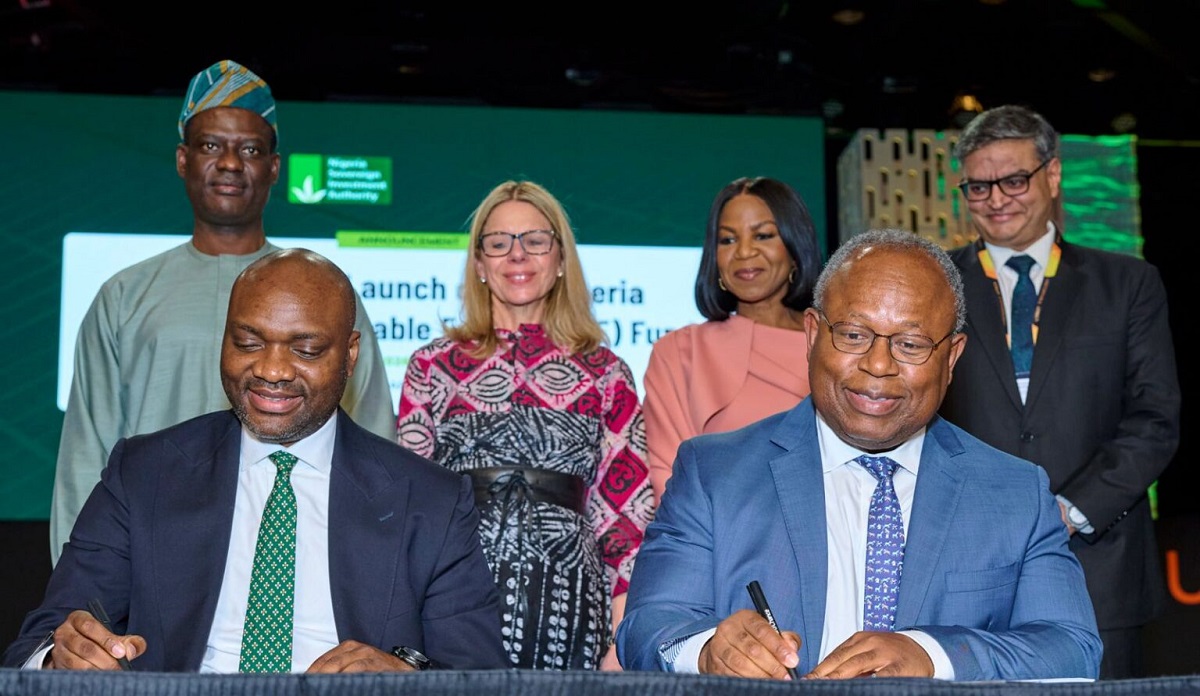
The Nigeria Distributed Renewable Energy (DRE) Fund reached commercial launch on the sidelines of the United Nations General Assembly in New York, moving from its structuring phase into active capital deployment, the Nigeria Sovereign Investment Authority (NSIA) said.
The fund is co-managed by NSIA and Africa50 and is designed to mobilise investment for distributed renewable energy projects across Nigeria. Sustainable Energy for All (SEforALL), the World Bank and the International Solar Alliance are supporting the initiative.
The Nigeria $300 million renewable energy fund will focus on projects that can provide electricity closer to where it is consumed, including mini-grids and standalone solar installations serving communities and businesses underserved by conventional power infrastructure.
The launch marks a shift from establishing the financing vehicle to deploying capital, NSIA said. The authority described the fund as a platform intended to attract additional public and private investment into Nigeria’s distributed renewable energy market.
“This is a major development milestone,” NSIA Managing Director and Chief Executive Officer Aminu Umar-Sadiq said. He described the launch as a signal to investors, governments and development partners that Nigeria’s distributed renewable energy market was ready to operate at scale.
Distributed renewable energy systems generate electricity closer to users rather than relying entirely on large power stations and national transmission networks. They can include solar installations serving individual facilities as well as mini-grids supplying multiple households and businesses.
For Nigeria, the approach offers an alternative route to expanding electricity access in locations where extending the conventional grid can be difficult or costly.
The World Bank said in Nigeria’s national energy compact that previous programmes had already expanded electricity access through standalone solar and mini-grids.
The Nigeria Electrification Project, for example, had reached about 5.5 million people through standalone solar and about 500,000 through mini-grids, according to the document.
The same energy compact identifies further opportunities for private-sector-led distributed renewable energy.
A World Bank-backed project is expected to support additional electricity access through mini-grids and standalone solar, including new connections for households and micro, small and medium-sized enterprises.
Africa50 Group Chief Executive Officer Alain Ebobissé said the fund brings together the local market expertise of NSIA with Africa50’s investment and fund-management capabilities, while SEforALL provides expertise on energy access and the World Bank contributes development financing and technical support.
“What sets the Nigeria DRE Fund apart is the strength of the partnership,” Ebobissé said, adding that the initiative was intended to create a model that could be scaled across Africa.
The fund is also linked to Mission 300, an initiative backed by the World Bank Group and African Development Bank that seeks to connect 300 million people across Africa to electricity by 2030.
Nigeria’s fund is part of a broader effort to develop financing mechanisms for distributed renewable energy as African countries seek to increase electricity access while reducing dependence on conventional fossil-fuel generation.
The International Solar Alliance has described the Nigerian vehicle as a country-level example within the wider effort to develop investment platforms for distributed renewable energy across Africa.
The World Bank is providing an initial $25 million contribution through its International Development Association, according to the fund’s partners. The contribution is intended to help mobilise additional capital for distributed renewable energy investments.
The commercial launch comes as Nigeria continues to face challenges in providing reliable electricity to households and businesses.
The country’s energy strategy has increasingly included decentralised solutions such as mini-grids and solar systems alongside efforts to strengthen conventional electricity infrastructure.
For developers and investors, the Nigeria $300 million renewable energy fund creates a dedicated investment vehicle for projects that can serve customers outside, or alongside, the traditional grid.
The effectiveness of the initiative will ultimately depend on how quickly capital is deployed, the number and scale of projects financed and the extent to which those investments translate into new or improved electricity connections.

Indumwa
Investreet Financial publishes financial education, market insights and practical resources to help readers make more informed financial decisions.