
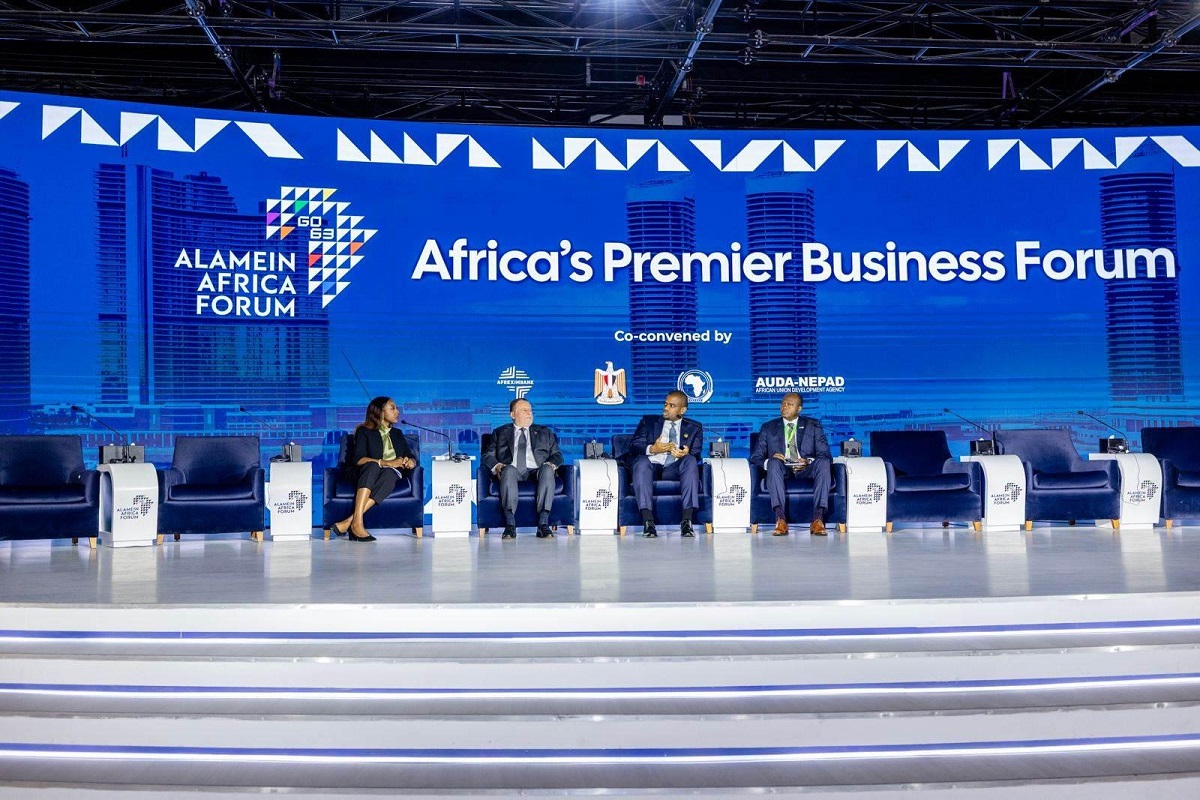
African leaders and development finance institutions called for greater investment in African businesses and stronger regional trade links at the inaugural Alamein Africa Forum, held in Egypt from October 2 to 4.
The meeting brought together government officials, investors, business executives and financial institutions to discuss ways to finance development projects, expand trade between African countries and attract investment into productive industries.
Egyptian President Abdel Fattah El-Sisi inaugurated the forum, organised in cooperation with the Egyptian government, the African Union Commission, the African Union Development Agency (AUDA-NEPAD) and the African Export-Import Bank (Afreximbank).
Discussions centred on a familiar challenge for African economies: how to turn the continent’s economic potential into funded projects, growing businesses and jobs.
African Institutions Urged to Mobilise More Capital
Participants called for greater use of African savings and private-sector investment to finance businesses and infrastructure projects. They also highlighted the need for development finance institutions to work together to support investments that may be too large or complex for a single lender.
Abdullah Almusaibeeh, president of the Arab Bank for Economic Development in Africa (BADEA), highlighted the role of cooperation among development financiers.
He said closer coordination with institutions such as the Africa Finance Corporation and the Trade and Development Bank could help mobilise larger amounts of funding for individual projects.
The discussions also focused on the potential role of pension funds, sovereign wealth funds and private investors in financing African development.
African governments have long sought to increase domestic financing and reduce reliance on external funding. However, mobilising capital is only part of the challenge. Projects also need to be properly prepared, financially viable and supported by clear implementation plans.
According to the African Union Commission’s account of the forum, commission chairperson Mahmoud Ali Youssouf emphasised the need to move beyond political commitments and strengthen Africa’s ability to prepare, finance and deliver development projects.
The commission also highlighted harmonised standards and stronger economic corridors as priorities for attracting investment across national borders.
Regional Trade Remains a Priority
Expanding trade between African countries was another major theme of the meeting. Participants discussed infrastructure, commercial partnerships and public-private investment as ways to help businesses reach customers and suppliers in neighbouring markets.
Évariste Ndayishimiye, president of Burundi and chairperson of the African Union, urged international partners to recognise Africa’s potential as a centre of production, innovation and investment.
The discussions also addressed the barriers facing small and medium-sized enterprises seeking to expand beyond their home markets. Access to finance, payment systems, customs procedures and differences in national regulations can all affect the cost of cross-border business.
The African Continental Free Trade Area (AfCFTA) is intended to create a single market for goods and services across the continent. Its implementation could give businesses access to larger markets, although the benefits will depend on how effectively governments address practical barriers to trade.
Wamkele Mene, secretary-general of the AfCFTA Secretariat, said the forum’s success should be judged by the business transactions and partnerships it helps generate.
Infrastructure Projects Attract Attention
Transport infrastructure also featured in discussions, particularly projects intended to improve connections between African countries and international markets.
Téte António, Angola’s minister of external relations, highlighted the Lobito Corridor, which links Angola with neighbouring Zambia and the Democratic Republic of Congo.
The corridor is intended to improve transport and trade links, including the movement of goods from mineral-producing areas towards export markets.
Its wider economic impact will depend on investment, efficient border procedures and the development of supporting infrastructure and services.
Participants also considered investment opportunities in agriculture, energy, logistics, healthcare, food systems and digital technology.
These sectors offer potential opportunities for businesses and investors, but developing them requires funding for production, infrastructure, technology and distribution. The forum brought together policymakers, entrepreneurs and financial institutions to discuss possible areas for cooperation.
Massad Boulos, senior adviser to the United States president for Arab and African affairs, highlighted the role of commercial partnerships and diplomacy in opening markets and addressing barriers to trade.
Representatives from Burundi and Nigeria also discussed export promotion, entrepreneurship, peace and diaspora investment in the context of African economic development.
Startups and Young Innovators Join Discussions
The forum included a Startup Arena and an African Youth in Artificial Intelligence Competition, giving emerging businesses and young innovators a place alongside established companies and investors.
The initiatives highlighted the role of entrepreneurship and technology in expanding economic activity. For startups, however, attracting attention at an investment forum does not necessarily translate into funding or commercial growth.
Young businesses need access to capital, customers, technical expertise and markets in which they can compete. Stronger connections with investors and established companies could help them develop products and expand their operations.
The extent to which the initiatives produce lasting results will depend on the partnerships and commercial opportunities that follow the event.
Focus Shifts to Implementation
The Alamein Africa Forum is intended to become a recurring gathering for African governments, financiers and businesses, with meetings planned every two years in Egypt. The next edition is scheduled for 2028.
The initiative aligns with the African Union’s Agenda 2063, which sets out the continent’s long-term ambitions for economic integration, industrialisation and increased intra-African trade.
The African Union Commission’s assessment of the forum emphasised the importance of translating policy commitments into projects with clear financing arrangements, responsibilities and implementation timelines.
The forum provided an opportunity for African leaders and financial institutions to discuss shared development priorities. Its longer-term significance will depend on what happens after the meetings, including whether proposed partnerships advance and investment reaches businesses and infrastructure projects.

Indumwa
Investreet Financial publishes financial education, market insights and practical resources to help readers make more informed financial decisions.