
The African Development Bank’s AFAWA initiative and the Women Entrepreneurs Finance Initiative held a four-day learning event in Côte d’Ivoire to identify ways to improve financing and economic opportunities for women entrepreneurs in Africa.
The Sept. 22-25 event brought together representatives from the European Bank for Reconstruction and Development, Inter-American Development Bank, International Finance Corporation, Islamic Development Bank and World Bank Group, alongside the We-Fi Secretariat and the African Development Bank’s Africa Digital Financial Inclusion Facility.
The meeting focused on practical approaches to improving access to finance for women-owned businesses, including the role of financial institutions, digital finance, business development, market access and technology.
AFAWA, or the Affirmative Finance Action for Women in Africa, is the African Development Bank’s flagship initiative aimed at reducing the financing gap facing women-owned and women-led small and medium-sized enterprises across the continent. AFAWA estimates that gap at $49 billion.
The Abidjan programme combined visits to financial institutions and women-owned businesses with peer-learning and working sessions. Discussions covered digital finance, business growth, research, care services, business networks, market access, technology and climate innovation, according to the African Development Bank.
Melissa Basque-Roux, AFAWA’s coordinator, said partnerships with financial institutions were central to the initiative’s approach.
“Our collaboration clearly illustrates the approach we are taking across Africa: working hand in hand with financial institutions, through guarantees and technical assistance, so that they can better meet the needs of women-led businesses,” she said at the opening session.
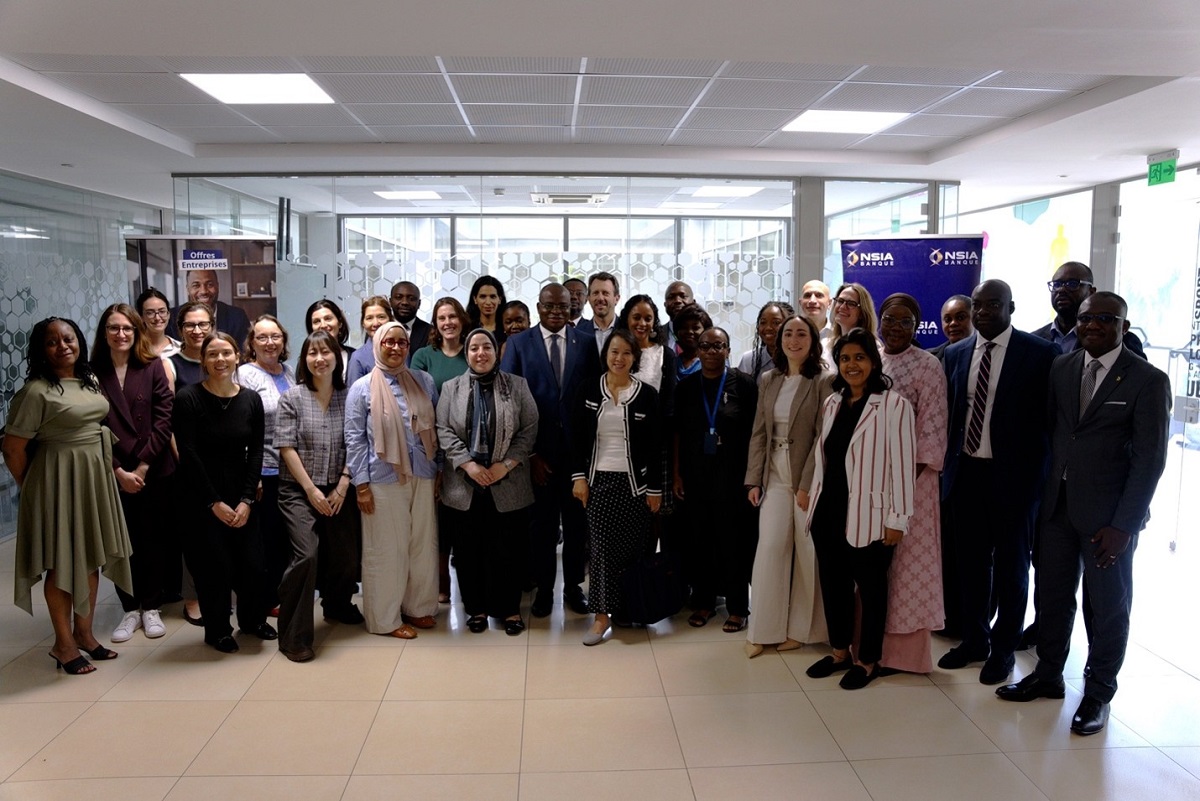
The programme included a visit to NSIA Banque Côte d’Ivoire, a subsidiary of pan-African financial services group NSIA. The bank uses financial instruments to support women-owned businesses, the African Development Bank said.
Sékou Chérif Sanogo, deputy general manager of NSIA Banque Côte d’Ivoire, said the bank was working with the African Development Bank to provide financing and local support tailored to women entrepreneurs.
“We are convinced that women entrepreneurs play a decisive role in the economic development of our country,” Sanogo said.
Delegates also met three women entrepreneurs whose businesses had received financing through AFAWA and NSIA Banque: Ariane Monney, owner of Casa Èkwa, a restaurant and hospitality business; Yvette Yelematou Soro of construction company Lemias Engineering; and Blandine Koffi, owner of fisheries business Poisson d’Afrique.
The entrepreneurs discussed challenges they had faced in developing their businesses and their experiences accessing AFAWA-backed financing.
Soro said NSIA Banque had supported her when she needed a guarantee and a loan.
“There were other banks. When I needed a guarantee, when I needed a loan, NSIA was there for me from the beginning,” she said.
The focus on financing reflects a broader effort by development institutions to address barriers that limit the growth of women-owned businesses.
AFAWA works with financial institutions through credit lines, trade finance and equity investments, with 30% of financing under certain instruments earmarked for women-owned and women-led small and medium-sized enterprises. It also uses a guarantee mechanism designed to reduce the risks faced by lenders.
Under its Guarantee for Growth programme, AFAWA says it aims to unlock up to $3 billion in financing for women-owned and women-led SMEs by reducing lending risks for financial institutions. The initiative also provides technical assistance to banks developing products and services for women entrepreneurs.
AFAWA’s broader target is to mobilise up to $5 billion in financing for more than 30,000 women-owned businesses. The initiative works with development partners including France, Canada, Italy, Germany, the Netherlands, Sweden and We-Fi.
The initiative has also expanded its work through digital finance. Earlier in September, the African Development Bank and AXIAN Group announced a programme aimed at supporting more than 34,000 women-led businesses in five African countries through digital financial services, financial literacy and business development support.
The latest learning event also examined how financial institutions can help businesses move from micro-enterprises into established small and medium-sized companies.
Felicia Siegrist, senior knowledge officer at We-Fi, said improving access to capital was only part of the challenge.
“This is also about setting up internal structures and processes to serve women entrepreneurs effectively and sustainably,” she said.
The programme therefore placed emphasis on institutional capacity as well as financing. Participants examined how banks and other organisations can improve their products, internal processes and support systems for women-owned businesses.
AFAWA says its approach combines access to finance, technical assistance and improvements to the business environment. Its work with financial institutions is intended to increase their willingness and capacity to lend to women-owned businesses.
The African Development Bank said the event was aligned with its Four Cardinal Points strategic vision, particularly its focus on access to capital, stronger financial systems and institutions, and Africa’s demographic transformation.
The programme concluded with a review of lessons from the participating organisations and discussions on areas where institutions could strengthen their support for women entrepreneurs.
For women entrepreneurs in Africa, the discussions highlighted the role of financial institutions not only as providers of capital but also as partners in building the systems, products and technical support needed for businesses to expand.
The African Development Bank’s AFAWA programme remains focused on closing the financing gap facing women-owned and women-led businesses through partnerships with banks, development institutions and other stakeholders across the continent.

Indumwa
Investreet Financial publishes financial education, market insights and practical resources to help readers make more informed financial decisions.