
Absa Bank Kenya PLC reported a 10% drop in first-half profit after tax to 10.5 billion Kenyan shillings ($81.3 million), as lower interest rates weighed on income even as customer deposits and lending grew, the lender said on Tuesday.
The bank, a unit of South Africa’s Absa Group, posted a return on equity of 21.7% for the six months to June 30, which it described as market-leading among its peers.
Profit after tax fell from 11.7 billion shillings a year earlier, according to figures released by the bank. The decline followed a broader industry trend of compressed margins as the Central Bank of Kenya’s benchmark rate has come down from the highs of the past two years.
Customer deposits rose to 380.7 billion shillings, while total customer loans grew 8% to 329.9 billion shillings, Absa Kenya said. The bank disbursed 104 billion shillings in new lending to households, businesses and other sectors of the economy during the period.
Digital loans issued through the bank’s Timiza mobile lending platform climbed to 14.8 billion shillings, the results showed.
Income from Absa Kenya’s subsidiaries, which span asset management, custody services and bancassurance, rose 20% year-on-year, as the lender pushes to diversify revenue beyond traditional lending.
The bank’s non-performing loan ratio improved to 10.1% from a year earlier, below the industry average of 14.6%, Absa Kenya said, citing data it attributed to the sector benchmark. Its capital adequacy ratio stood at 19.4%, with liquidity reserves at 42.7%, both above regulatory minimums set by the Central Bank of Kenya.
The Board of Directors approved an interim dividend of 0.50 shillings per ordinary share, the bank said.
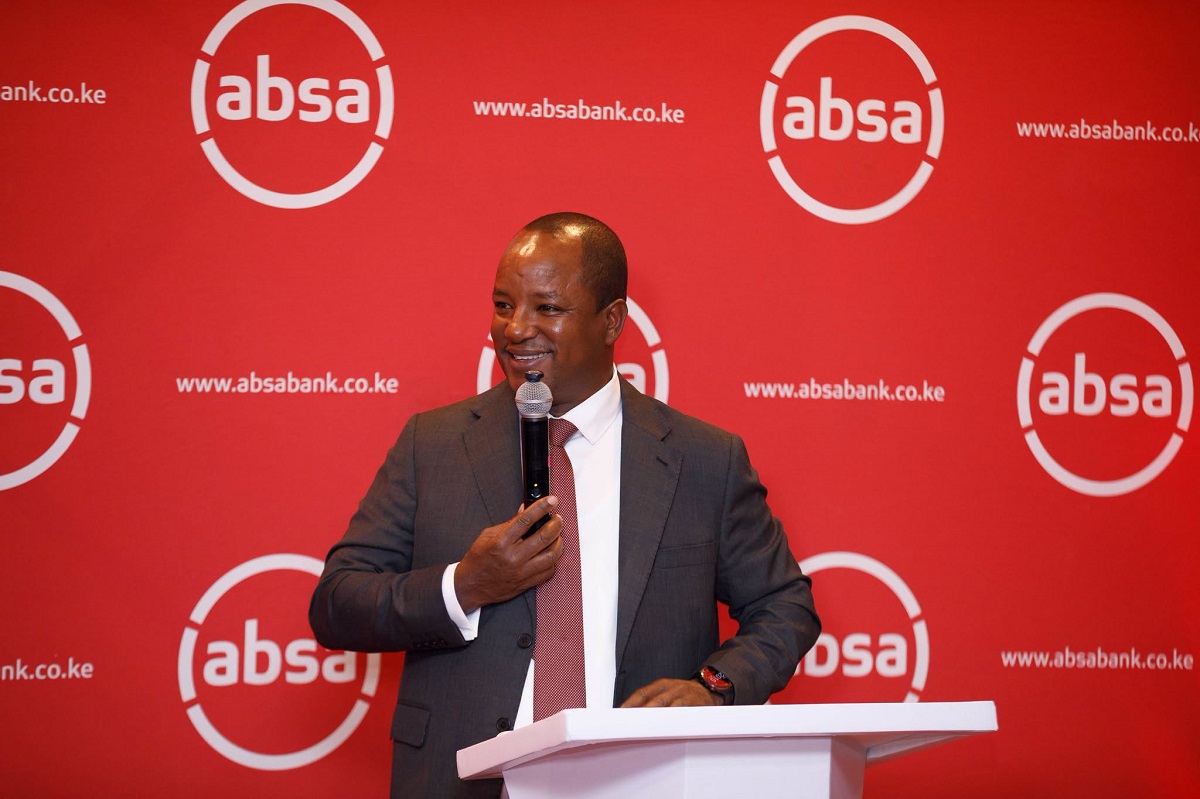
Yusuf Omari, Absa Bank Kenya’s interim managing director and chief executive, said the operating environment had weighed on performance but that the bank had gained “strong momentum in the second quarter,” in a statement accompanying the results.
Omari said the results reflected execution of the bank’s strategy and its commitment to supporting individuals and businesses navigating a difficult economic environment.
Diana Mwaniki, Absa Kenya’s acting chief financial officer, said the bank remained focused on delivering shareholder value, pointing to the increase in interim dividends and the performance of its shares on the Nairobi Securities Exchange.
During the period, Absa Kenya launched a home financing product for buyers of newly built houses, offering an interest rate of 8.9% per year and financing of up to 105% of a property’s value for qualifying borrowers.
The bank also introduced a 1 billion shilling programme aimed at supporting young entrepreneurs, part of a wider push to expand lending to youth-led businesses.
Separately, Absa Kenya said it had committed 100 billion shillings over the next three years to expand asset financing for businesses and individuals in sectors including manufacturing, healthcare, education, infrastructure, trade and logistics.
Kenyan banks have reported mixed earnings this year as the Central Bank of Kenya has cut its benchmark lending rate, squeezing net interest margins across the sector. Absa Kenya reported a first-quarter profit decline of nearly 14% earlier this year, its first quarterly profit drop since 2017, according to the bank’s own disclosures.
Total revenue for the first half stood at 29.3 billion shillings, made up of 21.1 billion shillings in net interest income and 8.2 billion shillings in non-interest income, the bank said. Total assets rose to 558.1 billion shillings.
Absa Bank Kenya PLC is listed on the Nairobi Securities Exchange and is regulated by the Central Bank of Kenya. It is part of Absa Group Limited, which operates across 12 African countries and is headquartered in Johannesburg.
Kenya’s banking sector has faced pressure on interest income in 2026 as the Central Bank of Kenya has moved toward a lower interest rate cycle aimed at spurring private-sector lending.
Absa Kenya is one of the country’s largest lenders by assets, competing with Equity Group, KCB Group and Standard Chartered Kenya for market share in retail and corporate banking.

Indumwa
Investreet Financial publishes financial education, market insights and practical resources to help readers make more informed financial decisions.